Industrial insulation is easy to overlook.
When the job is done correctly, most people see nothing more than clean aluminum or stainless-steel jacketing wrapped around refinery piping and equipment.
Underneath that metal, however, the insulation system is doing serious work.
It can conserve process heat, limit heat gain, protect personnel from hot surfaces, control condensation and help refinery equipment maintain the temperatures required for operation.
And underneath insulation can also be one of the refinery’s most difficult maintenance problems to see:
corrosion under insulation.
Industrial insulators routinely work on piping, valves, vessels, exchangers, tanks, steam systems and process equipment where accurate measurement, fabrication and weatherproofing matter.
Here are 10 tools every refinery industrial insulator should carry or have readily available.
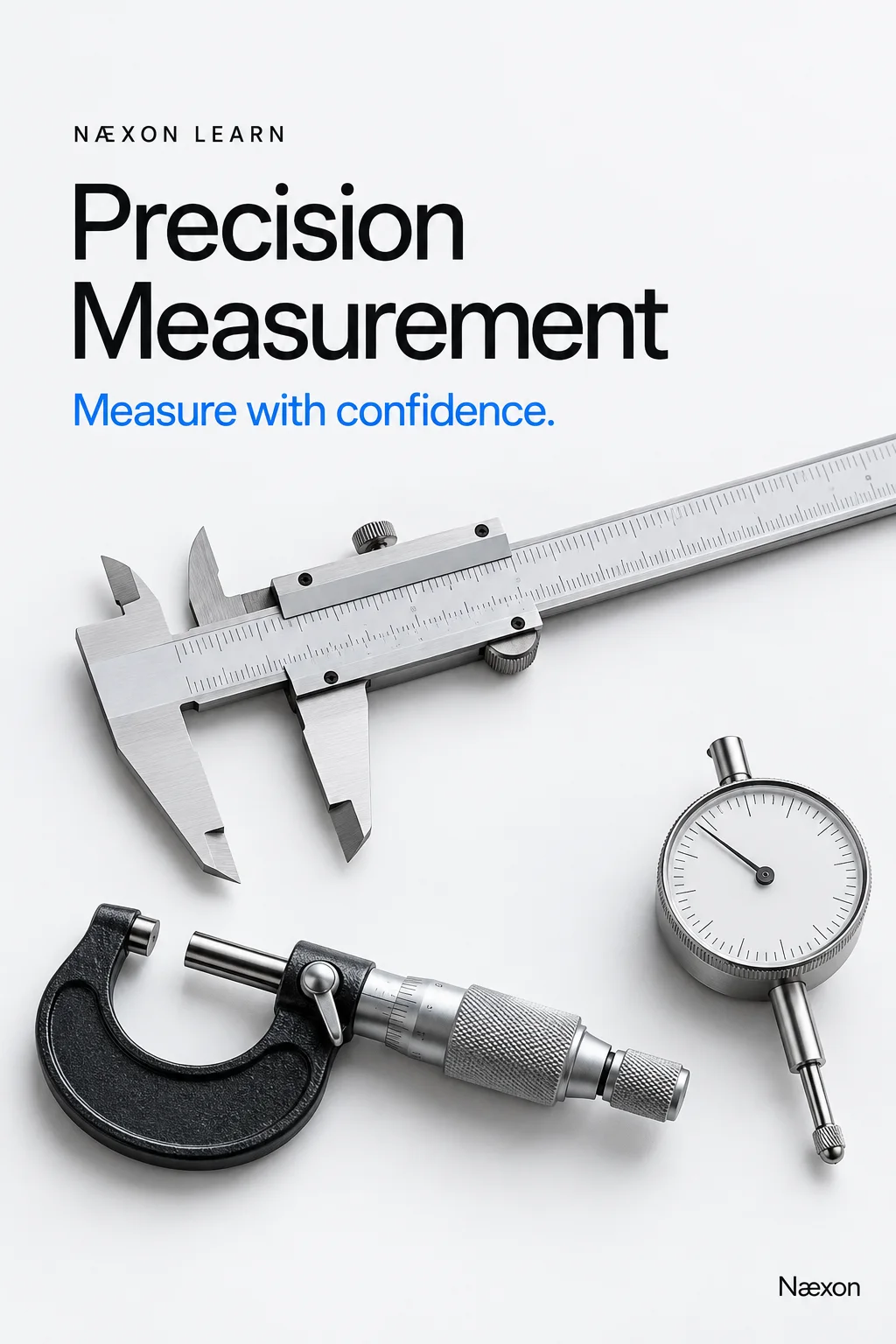
1. Tape Measure
Nearly every insulation job begins with measurement.
Pipe diameter.
Insulation thickness.
Circumference.
Jacketing length.
Overlap.
Equipment dimensions.
Valve dimensions.
Elbow geometry.
An insulator needs to understand that the outside diameter of the finished insulation system is much larger than the outside diameter of the bare pipe.
For example, adding 2 inches of insulation around a pipe increases the finished diameter by approximately 4 inches before considering jacketing and other system components.
That difference matters when laying out metal.
Field Rule
Measure the system you’re actually covering—not just the pipe underneath it.
2. Insulation Knife
A good insulation knife is one of the most recognizable tools in the trade.
It’s used for cutting and shaping appropriate insulation materials so they fit cleanly around piping and equipment.
The objective isn’t simply removing material.
It’s creating a tight, controlled fit.
Large gaps, crushed material and poorly fitted sections can reduce the effectiveness of the insulation system and make the finished jacketing harder to install properly.
Keep the blade appropriate for the material being worked.
Field Rule
The metal jacket can’t fix badly fitted insulation underneath it.
3. Utility Knife
While the insulation knife handles larger material, a utility knife gives the insulator more control for smaller trimming and detail work.
It can be useful when working with facing materials, membranes and other components where permitted by the insulation system.
Sharp blades usually provide better control than dull ones.
But refinery work adds another consideration.
Before cutting into an existing insulation system, understand what you’re opening.
Older insulation may contain materials requiring special handling, and contaminated insulation can present additional hazards.
Field Rule
Don’t cut into an unknown insulation system until you know what you’re dealing with.
4. Aviation Snips
Metal jacketing is a major part of industrial insulation work.
Aviation snips allow thin sheet metal to be cut into the shapes needed for straight runs, fittings and equipment.
Different snips may be designed to favor straight, left or right-hand cuts.
Experienced insulators learn which tool gives them the cleanest cut for the layout they’re making.
Poor cutting creates sharp edges, distorted metal and unnecessary difficulty during installation.
Field Rule
A clean jacket begins with a clean cut.
5. Crimpers
Fittings often require the metal to change shape.
Crimpers allow portions of thin metal to be formed so one section can fit into or overlap another more effectively.
This becomes particularly useful when fabricating jacketing around elbows and other irregular shapes.
Good crimping should be controlled and consistent.
The objective is to shape the metal—not destroy it.
Field Rule
Form the metal enough to make the connection work. Don’t overwork it.
6. Hand Seamer
A hand seamer gives the insulator controlled leverage for bending and forming sheet metal.
It can be used to create edges, folds and other details during jacketing fabrication.
Unlike trying to bend the metal randomly by hand, the seamer produces a cleaner and more predictable result.
This is particularly useful when fabricating custom pieces in the field.
Field Rule
Good sheet-metal work comes from controlled bends, not repeated corrections.
7. Banding Tool
Banding is commonly used to secure metal jacketing and insulation systems around industrial piping and equipment.
A banding tool helps tension and secure the band according to the requirements of the insulation system.
Too loose and the jacket may not remain secure.
Excessive tension can damage or distort components.
Band spacing and installation method should follow the applicable specification.
Field Rule
Banding should secure the system without crushing it.
8. Combination Square
Industrial insulation requires more layout than many people realize.
A combination square provides reliable straight and 90-degree references when laying out metal jacketing.
It becomes useful when marking cuts, overlaps and fabricated pieces.
A clean layout reduces waste and produces better-fitting components.
That matters when you’re working with expensive stainless or aluminum jacketing.
Field Rule
Spend another minute laying it out if it saves ten minutes trying to make a bad piece fit.
9. Dividers or Compass
Round equipment creates geometry problems.
Elbows, reducers, vessel penetrations and other components frequently require arcs and repeated measurements.
Dividers or a compass help transfer dimensions and establish consistent curves during layout.
This is where industrial insulation begins to look less like simply wrapping material around pipe and more like sheet-metal fabrication.
Experienced insulators can turn flat metal into remarkably complex shapes.
Field Rule
When the shape repeats, transfer the geometry instead of guessing it again.
10. Soapstone or Permanent Marker
Every fabricated piece begins with a mark.
Cut lines.
Overlap lines.
Centerlines.
Orientation marks.
Reference points.
A visible marking tool makes the layout understandable before the first cut is made.
The marking method should be appropriate for the material and job requirements.
Precision matters.
A quarter-inch error on one piece might seem insignificant.
Repeat that error across several fabricated sections and the final assembly can become difficult to fit.
Field Rule
Measure carefully, mark clearly and know which side of the line you’re cutting.
Insulation Is a System
Industrial insulation isn’t simply insulation material covered with shiny metal.
A complete system can involve multiple components working together.
Depending on the application, that may include insulation, coatings, vapor retarders, mastics, sealants, jacketing, bands, fasteners, removable covers and other components.
Temperature, process service and environmental exposure influence the design.
If one part of that system fails, the problem can spread.
Water entering through a poorly sealed jacket may travel farther than expected.
The outside can still look relatively normal while conditions underneath deteriorate.
Corrosion Under Insulation
One of the most important problems refinery insulators should understand is corrosion under insulation, commonly called CUI.
CUI occurs when corrosive conditions develop on metal surfaces hidden beneath insulation.
Moisture intrusion is a major concern.
Water can enter through damaged jacketing, failed seals, penetrations or other weaknesses in the insulation system.
Once underneath the jacket, moisture may remain against the equipment surface.
The dangerous part is visibility.
You may see a perfectly ordinary insulated pipe from the outside while significant deterioration is developing underneath.
That is why suspicious conditions shouldn’t simply be covered back up.
Field Rule
If you uncover something that doesn’t look right, stop and report it.
What CUI Can Look Like
When insulation is removed, warning signs may include unexpected rust, scale, coating deterioration, wet insulation, staining or visible metal loss.
The insulator isn’t necessarily responsible for determining the remaining wall thickness or engineering acceptability of the pipe.
That may require inspection personnel and appropriate examination methods.
But the insulator may be the first person who actually sees the condition.
That makes communication critical.
Don’t hide it.
Don’t assume somebody already knows.
Report it through the appropriate jobsite process.
Water Is the Enemy
A beautiful insulation installation can fail if water gets underneath it.
That’s why jacketing and weatherproofing details matter.
Overlaps need to be oriented and installed according to the insulation specification.
Penetrations need appropriate treatment.
Termination points matter.
Valve stems, supports, nozzles and other interruptions can create potential paths for moisture.
Think about where rainwater will travel.
Gravity doesn’t care how good the jacketing looks.
Field Rule
When installing outdoor jacketing, always think like water.
Elbows Separate Good Insulators From Great Ones
Straight pipe is relatively straightforward.
Fittings are where craftsmanship becomes obvious.
Elbows require multiple pieces to transition smoothly around the bend.
The insulation underneath needs to maintain the required thickness and fit.
The metal jacket needs to follow the geometry while maintaining proper overlaps and weather protection.
Poor layout creates uneven segments and unnecessary gaps.
Good layout makes a complicated shape look simple.
That ability comes from understanding geometry and practicing fabrication.
Valves Need Maintenance Too
Valves create another insulation challenge.
The insulation needs to perform its thermal function without making future maintenance unnecessarily difficult.
Some applications may use removable insulation covers or blankets around valves and other components requiring periodic access.
These systems can allow maintenance crews to access equipment without destroying a permanent insulation installation every time.
When reinstalling removable insulation, make sure it returns to the correct equipment and orientation.
A cover sitting nearby doesn’t help the system.
Hot Work Isn’t the Only Burn Hazard
Industrial insulators frequently work around operating equipment.
A process line can remain hot enough to cause serious injury without looking dangerous.
There may be no flame.
No sparks.
No visible warning.
Just metal.
Always understand the operating condition of equipment before beginning work around exposed surfaces.
Insulation removal can also expose surfaces that were previously protected from accidental contact.
Once the insulation comes off, the hazard may become accessible.
Follow facility requirements for hot surfaces and appropriate PPE.
Cold Systems Have Their Own Problems
Not every insulated refinery system is hot.
Cold-service systems can require insulation to limit heat gain and control condensation.
Moisture management becomes especially important.
A damaged vapor-retarder system can allow moisture to enter the insulation and affect performance.
Cold-service insulation therefore needs just as much attention to sealing and system integrity as hot insulation.
The physics are different.
The craftsmanship still matters.
Know What’s Behind the Jacket
Before drilling, screwing or cutting through existing jacketing, know what lies underneath.
There may be:
- Heat-tracing cables
- Instrument tubing
- Small process connections
- Coatings
- Membranes
- Personnel-protection systems
- Existing damaged equipment
Blindly driving a fastener through an insulation system can create a problem nobody expected.
Field Rule
Never assume there is nothing important underneath because you can’t see it.
Heat Tracing Requires Coordination
Insulation and heat tracing often work together.
The heat-tracing system provides heat.
The insulation helps retain it.
Damage the tracing during insulation work and the system may no longer perform correctly.
Electricians or instrumentation personnel may be responsible for portions of the tracing system depending on the facility.
The insulator needs to recognize its presence and avoid damaging it.
This is another example of why refinery crafts can’t work completely independently.
Older Insulation Requires Awareness
Older industrial facilities may contain insulation materials that require specialized handling.
If material is unknown, damaged or suspected of containing asbestos or another hazardous substance, don’t disturb it casually.
Follow the facility’s identification, testing and abatement procedures.
Appearance alone isn’t a reliable method for determining what a material contains.
Field Rule
Unknown insulation isn’t something you identify by taking a closer cut.
Don’t Insulate a Leak
Insulation can hide problems extremely well.
That means it should never be used to hide an active equipment problem.
If there is evidence of process leakage, unexpected moisture, unusual staining or another suspicious condition, report it before covering the area.
Once new insulation and jacketing are installed, the problem may disappear visually.
It didn’t actually disappear.
It just became harder to see.
Good Insulation Helps Everyone
Insulation affects more than energy efficiency.
Operators may depend on it for process temperature control.
Maintenance personnel need access to equipment.
Inspectors may need specific locations available for examination.
Electricians may have heat tracing underneath it.
Instrumentation technicians may have tubing and instruments passing through it.
Pipefitters and boilermakers may eventually need to remove it for repairs.
Good insulation work considers the entire equipment lifecycle.
Field Rules
- Verify the equipment and insulation specification before beginning.
- Measure the finished insulation system, not just the bare pipe.
- Keep insulation joints tight and properly fitted.
- Protect insulation from moisture.
- Install jacketing according to the required overlap and weatherproofing details.
- Treat damaged or wet insulation as a condition worth investigating.
- Report unexpected corrosion or equipment damage.
- Don’t cover active leaks or suspicious conditions.
- Know whether heat tracing is present.
- Protect coatings and vapor-control components.
- Treat exposed hot surfaces as hazards.
- Don’t disturb unknown older insulation materials without proper identification.
- Fabricate jacketing so future maintenance remains possible.
Knowledge Check
1. What does CUI stand for?
Corrosion under insulation.
2. Why can CUI be difficult to detect?
Because the corrosion develops on equipment surfaces hidden underneath insulation and jacketing.
3. Why is moisture intrusion a major insulation concern?
Water can degrade insulation performance and contribute to conditions that promote corrosion beneath the insulation system.
4. Why does finished insulation diameter matter when fabricating jacketing?
The jacket must fit around the insulation, not merely around the original pipe.
5. Should an insulator simply cover unexpected corrosion discovered during insulation removal?
No. The condition should be reported according to the site’s procedures so it can be evaluated appropriately.
6. Why should an insulator know whether heat tracing is underneath the insulation?
Because insulation work can damage the tracing system if its location and presence aren’t recognized.
Practical Exercise
Imagine you’re removing aluminum jacketing from an insulated refinery process line.
The outside looks normal.
Once the jacket comes off, you discover the insulation underneath is wet.
Then you remove another section.
The pipe surface shows significant rust and scaling.
Stop.
Don’t immediately clean it.
Don’t cover it back up.
Don’t decide yourself that the pipe is acceptable because “there’s still plenty of metal.”
Protect the area as required and report the condition through the appropriate site process.
Inspection personnel may need to evaluate the pipe and determine its actual condition.
Now think about what just happened.
For months—or possibly years—people may have walked past that pipe without seeing anything unusual.
The jacketing looked fine.
The pipe underneath didn’t.
The person who finally exposed the problem wasn’t necessarily an inspector, engineer or operator.
It was the insulator.
That’s why industrial insulation is more than wrapping pipe.
Sometimes the person removing the insulation is the first person who gets to see what the refinery has been hiding underneath it.
NÆXON — Built for the trades that build America.