Every day, millions of hardworking Americans report to jobs that demand strength, skill, discipline, and an unwavering commitment to safety. They weld steel in fabrication shops, maintain refineries during shutdowns, climb transmission towers, install pipelines, repair heavy equipment, and keep power plants operating around the clock. These professionals form the backbone of the nation’s industrial economy, and the clothing they wear is more than a uniform—it is an essential piece of personal protective equipment.
At Næxon, we believe premium flame-resistant apparel should do more than satisfy a safety requirement. It should help workers perform at their highest level by combining certified protection with exceptional comfort, durability, and modern design. Today’s workforce deserves workwear engineered for long shifts, harsh environments, and the pride that comes with mastering a skilled trade.
This guide explores what defines premium flame-resistant apparel, why it matters, and how choosing higher-quality garments benefits both workers and employers.
Built for the People Who Build America
From offshore drilling platforms to electrical substations, America’s industrial workforce faces some of the toughest working conditions in the world.
These professionals include:
- Pipefitters
- Welders
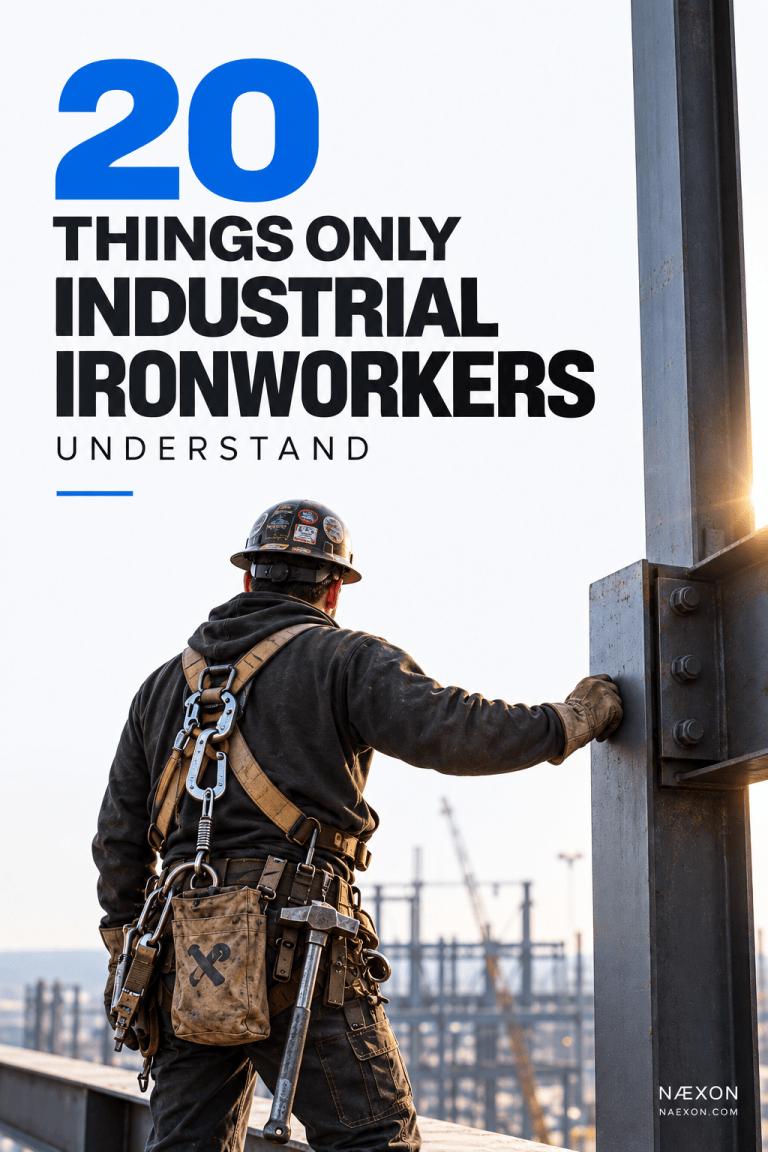
- Ironworkers
- Electricians
- Millwrights
- Instrument Technicians
- Boilermakers
- Refinery Operators
- Heavy Equipment Mechanics
- Utility Linemen
- Fabricators
- Manufacturing Technicians
- Industrial Maintenance Crews
- Pipeline Workers
- Construction Professionals
Many of these environments present risks from flash fires, arc flashes, extreme heat, sparks, molten metal, and combustible materials. OSHA requires employers to assess workplace hazards and provide appropriate personal protective equipment, and consensus standards such as NFPA 2112 and NFPA 2113 are commonly used to guide the selection and maintenance of flame-resistant garments.
What Is Premium Flame-Resistant Apparel?
Premium flame-resistant (FR) apparel is protective clothing specifically designed to reduce burn injuries during brief thermal exposures such as flash fires or, when appropriately arc-rated, electrical arc flash incidents.
Unlike ordinary clothing, certified FR garments are engineered to:
- Resist ignition
- Self-extinguish after the ignition source is removed
- Reduce heat transfer to the skin
- Maintain protective performance through repeated wear and laundering
- Provide durable protection while remaining comfortable enough for everyday use
Quality FR apparel is tested against recognized standards before it can be certified for industrial use. NFPA 2112 establishes minimum performance, design, testing, and certification requirements for garments intended to protect against flash fires.
Safety Starts Before the Shift Begins
Every safe workday starts long before the first tool is picked up.
Workers routinely inspect:
- Hard hats
- Gloves
- Safety glasses
- Boots
- Harnesses
- Respirators
Flame-resistant clothing deserves the same attention.
The right garment provides another layer of defense when unexpected incidents occur. While no piece of PPE can eliminate every hazard, properly selected and maintained FR clothing can significantly reduce burn severity during short-duration thermal events. Employers should base garment selection on a workplace hazard assessment rather than choosing apparel solely by appearance or cost.
Comfort Is No Longer a Luxury
Years ago, many workers associated FR clothing with heavy fabrics, stiff construction, and limited mobility.
Modern premium workwear has changed that expectation.
Today’s best garments are designed with the understanding that comfort directly affects performance. Long shifts become more manageable when clothing offers better airflow, improved flexibility, moisture management, and a fit that allows unrestricted movement.
Features commonly found in premium FR apparel include:
- Lightweight fabrics
- Moisture-wicking technology
- Breathable construction
- Ergonomic patterns
- Reinforced stress points
- Longer shirt tails
- Durable stitching
- Soft-touch fabrics
Comfort helps workers stay focused throughout demanding twelve-hour shifts rather than becoming distracted by heavy or restrictive clothing.
Why Durability Matters
Industrial work is demanding on clothing.
Daily exposure to abrasive surfaces, welding sparks, oil, grease, dirt, and repeated industrial laundering can quickly wear out lower-quality garments.
Premium FR apparel is designed for long-term durability through:
- High-strength stitching
- Reinforced seams
- Quality closures
- Fade-resistant fabrics
- Better abrasion resistance
- Stronger pocket construction
Although premium garments may cost more initially, their longer service life often provides better overall value.
Engineered for America’s Toughest Industries
Premium flame-resistant apparel is used across numerous industries where worker protection is essential.
These include:
- Oil and Gas
- Petrochemical Processing
- Refineries
- Pipeline Construction
- Power Generation
- Electrical Utilities
- Steel Manufacturing
- Heavy Construction
- Mining
- Transportation
- Chemical Processing
- Industrial Maintenance
Each environment presents unique hazards, making it essential to select clothing appropriate for the specific risks identified by the employer’s hazard assessment. OSHA notes that FR clothing selection should match the hazards workers may encounter.
Looking Professional Matters Too
Industrial workwear has evolved beyond basic functionality.
Today’s workforce values clothing that reflects pride in their profession.
Premium apparel offers:
- Modern fits
- Clean stitching
- Professional appearance
- Consistent sizing
- Better color retention
- Quality hardware
Looking professional can strengthen company image while giving workers greater confidence in what they wear each day.
Understanding Industry Standards
When purchasing flame-resistant apparel, workers should understand the standards shown on garment labels.
Some of the most common include:
NFPA 2112 – Covers flame-resistant garments intended to protect industrial personnel from short-duration flash fire exposures.
NFPA 70E – Addresses electrical safety in the workplace and requires arc-rated clothing for employees exposed to arc flash hazards identified through an arc flash risk assessment.
ASTM F1506 – A performance specification for flame-resistant and arc-rated textile materials commonly used to demonstrate compliance for electrical work.
It is important to understand that not every flame-resistant garment is automatically arc-rated. Workers exposed to electrical hazards should verify that the clothing carries the appropriate arc rating (cal/cm²) required for their job.
Caring for Premium FR Apparel
Even the best protective clothing requires proper care.
Recommended practices include:
- Follow manufacturer washing instructions.
- Avoid bleach and harsh oxidizing agents.
- Do not use fabric softeners unless specifically permitted.
- Inspect garments regularly for excessive wear or damage.
- Replace clothing that no longer provides reliable protection.
Proper laundering and maintenance help preserve the garment’s protective properties and service life.
The Næxon Philosophy
At Næxon, we believe premium workwear should represent more than compliance. It should represent craftsmanship, resilience, and respect for the people who keep America running.
Our philosophy is built on several core principles:
Protection Without Compromise
Every worker deserves apparel designed with safety as the foundation.
Comfort Through Innovation
Modern workwear should help reduce fatigue by improving breathability, mobility, and overall comfort.
Durability That Lasts
Industrial clothing should withstand demanding environments and repeated wear without sacrificing performance.
Professional Pride
Workers should feel confident wearing apparel that looks as professional as the work they perform.
Built for Real Jobs
Every design decision should reflect the realities of oilfields, refineries, pipelines, fabrication shops, utilities, manufacturing facilities, and construction sites.
Investing in Quality Pays Off
Choosing premium FR apparel is not simply purchasing another work shirt.
It is an investment in:
- Safety
- Comfort
- Productivity
- Durability
- Professional appearance
- Worker confidence
Employers benefit through better PPE compliance, potentially lower replacement frequency, and crews who are more comfortable during demanding work.
Workers benefit from clothing that helps them focus on the task instead of the discomfort of what they are wearing.
America’s Workforce Deserves Better
The men and women who maintain critical infrastructure, build energy facilities, fabricate steel, install pipelines, and keep manufacturing moving deserve workwear that reflects the importance of their jobs.
Premium flame-resistant apparel is no longer about choosing between protection and comfort. The best garments deliver both, helping workers stay safe, productive, and comfortable from the first task of the morning to the last inspection before heading home.
At Næxon, that commitment drives everything we believe industrial workwear should be. Because the people who build America deserve equipment that works as hard as they do.
Frequently Asked Questions
1. What is flame-resistant apparel?
Flame-resistant apparel is protective clothing engineered to resist ignition, self-extinguish, and reduce burn injuries during brief thermal exposures.
2. Who should wear FR clothing?
Workers in industries such as oil and gas, petrochemical processing, utilities, manufacturing, welding, and heavy industrial construction may require FR clothing based on their employer’s hazard assessment.
3. Is FR clothing the same as arc-rated clothing?
No. Flame-resistant clothing protects against flash fire, while arc-rated clothing is specifically tested and labeled for electrical arc flash protection.
4. How long does premium FR clothing last?
Service life depends on use, laundering, and maintenance, but higher-quality garments typically provide longer durability than lower-cost alternatives.
5. Does premium FR clothing improve comfort?
Yes. Many premium garments incorporate lightweight fabrics, ergonomic construction, and moisture-management features.
6. Can FR clothing lose its protective performance?
It can if it becomes excessively worn, damaged, or improperly maintained. Follow the manufacturer’s care instructions and replace garments when necessary.
7. Why are NFPA standards important?
NFPA standards provide recognized requirements for garment performance, testing, and certification, helping employers choose appropriate protective clothing.
8. Should FR clothing fit loosely?
Garments should fit comfortably and allow unrestricted movement while following the manufacturer’s sizing guidance and workplace requirements.
9. Why invest in premium workwear?
Premium apparel often provides better durability, improved comfort, longer service life, and enhanced worker satisfaction.
10. What makes Næxon different?
Næxon is built around the idea that industrial workers deserve workwear that combines dependable protection, lasting durability, modern comfort, and professional design—gear engineered to perform in the environments where America’s workforce gets the job done.