For decades, the oil and gas industry has offered life-changing opportunities for hardworking men and women willing to master a skilled trade. While many careers require years of college education, industrial construction, refinery maintenance, pipeline work, petrochemical plants, and LNG facilities often reward highly skilled craftsmen with excellent pay, steady demand, and opportunities to travel across the country.
The industry isn’t easy. Long shifts, changing weather conditions, physically demanding work, and strict safety standards are all part of the job. However, many skilled tradespeople enjoy excellent incomes, valuable benefits, and the satisfaction of building and maintaining the infrastructure that keeps America running.
Whether you’re entering the workforce for the first time, considering a career change, or looking to move into a higher-paying trade, understanding which professions offer the greatest earning potential can help you make an informed decision.
Why Skilled Trades Pay So Well
Oil and gas facilities operate around the clock and depend on highly trained professionals to maintain complex equipment, piping systems, electrical infrastructure, instrumentation, and rotating machinery. A shutdown at a refinery or LNG plant can cost millions of dollars, making experienced craftsmen invaluable.
Several factors contribute to higher wages in this industry.
• Specialized technical skills
• Hazardous work environments
• Overtime opportunities
• Traveling assignments
• Turnaround and shutdown work
• Strong demand for experienced workers
• Limited supply of qualified craftsmen
Many industrial jobs also offer additional compensation through per diem, travel reimbursement, shift differentials, bonuses, and extensive overtime during major outages.
1. Pipefitter
Pipefitters consistently rank among the highest-paid skilled trades in industrial construction.
These professionals install, fabricate, repair, and maintain piping systems that transport steam, water, chemicals, natural gas, petroleum products, and other industrial fluids. Their work requires blueprint reading, precision measurement, equipment installation, rigging knowledge, and an understanding of complex piping systems.
Typical responsibilities include:
• Reading isometric drawings
• Installing carbon and stainless steel piping
• Equipment setting and alignment
• Hydrotesting systems
• Bolt-up and flange assembly
• Fabrication and layout
Experienced refinery pipefitters can significantly increase their earnings through overtime and turnaround assignments.
2. Pipe Welder
Few industrial trades command as much respect as pipe welding.
Pipe welders perform highly specialized welding procedures on pressure piping systems that must meet strict quality requirements. Depending on the project, welders may perform GTAW (TIG), SMAW (Stick), FCAW, or other approved welding processes.
Success requires exceptional hand-eye coordination, patience, and the ability to consistently produce quality welds under qualification standards.
High-demand specialties include:
• 6G Pipe Welding
• Stainless Steel Welding
• Chrome Alloy Welding
• TIG Root / Stick Fill and Cap
• Pressure Vessel Welding
Many experienced pipe welders earn substantial incomes during refinery turnarounds because certified welders remain in high demand.
3. Instrument Technician
Modern refineries depend on precise instrumentation to operate safely and efficiently.
Instrument technicians install, calibrate, troubleshoot, and maintain sensors, transmitters, pressure devices, flow meters, control valves, and automated process equipment.
Their work combines electrical knowledge, mechanical troubleshooting, and computer-based control systems.
As facilities become increasingly automated, demand for qualified instrumentation professionals continues to grow.
4. Industrial Electrician
Industrial electricians install and maintain the electrical systems that power refineries, compressor stations, processing plants, LNG terminals, and manufacturing facilities.
Responsibilities often include:
• Motor control centers
• Variable frequency drives
• High-voltage equipment
• Lighting systems
• Cable tray installation
• Electrical troubleshooting
• Preventive maintenance
Industrial electricians with refinery experience often enjoy excellent long-term career opportunities.
5. Millwright
Millwrights specialize in installing, maintaining, aligning, and repairing rotating equipment.
Typical equipment includes:
• Pumps
• Compressors
• Turbines
• Gearboxes
• Blowers
• Fans
• Conveyors
Precision alignment, vibration analysis, and mechanical troubleshooting make millwrights essential during outages and maintenance projects.
6. Crane Operator
Large refinery projects require experienced crane operators capable of safely moving heavy equipment in congested industrial environments.
Operators may work with:
• Hydraulic cranes
• Crawler cranes
• Tower cranes
• Rough-terrain cranes
Safe lifting practices and communication with riggers are critical responsibilities.
7. Boilermaker
Boilermakers fabricate, install, repair, and maintain boilers, pressure vessels, exchangers, and large industrial equipment.
Turnaround seasons often generate significant demand for experienced boilermakers because many inspections and repairs occur during planned shutdowns.
8. Industrial Insulator
Industrial insulators install thermal insulation on piping, vessels, tanks, and process equipment.
Proper insulation improves energy efficiency, protects workers from hot surfaces, and helps maintain process temperatures.
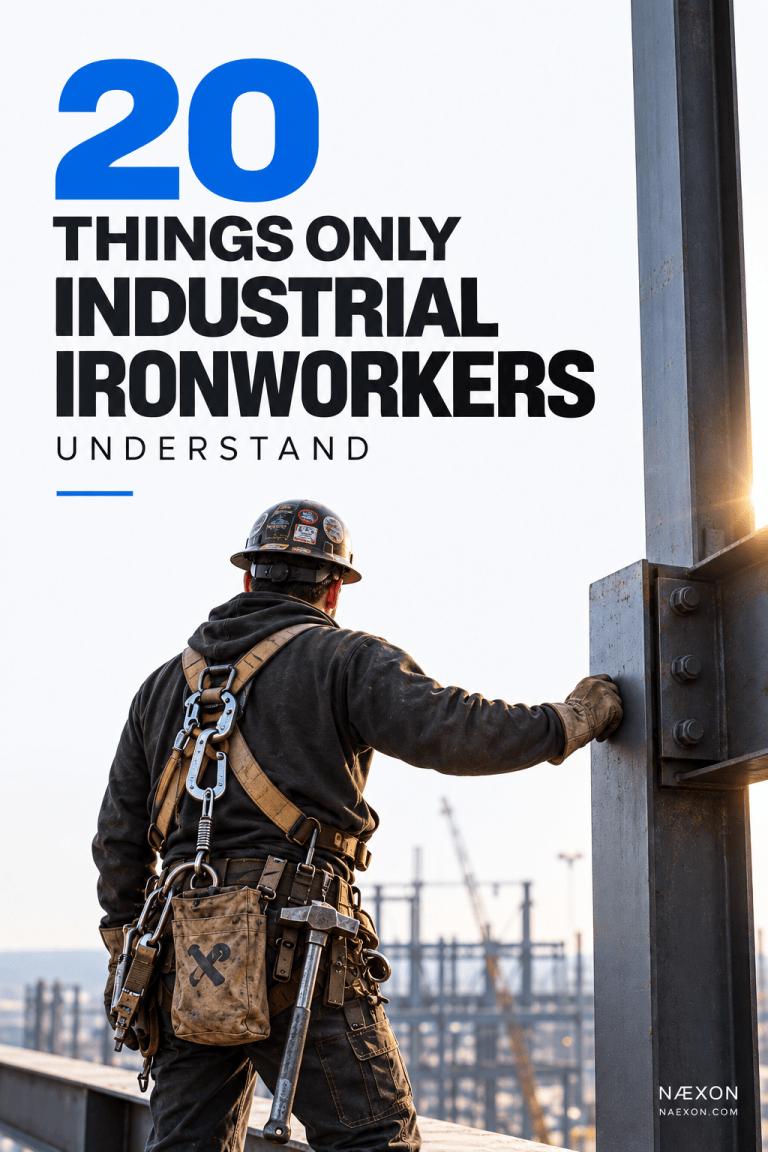
9. Ironworker
Ironworkers erect structural steel that supports industrial facilities.
They install platforms, pipe racks, stair towers, structural members, handrails, and heavy steel components while working at elevation.
10. Safety Professional
Safety professionals help ensure compliance with company policies and regulatory requirements.
Responsibilities include:
• Safety inspections
• Job hazard analyses
• Permit monitoring
• Incident investigations
• Training
• PPE compliance
Experienced safety professionals often move into leadership positions overseeing major industrial projects.
Skills That Increase Your Earning Potential
Regardless of your trade, certain qualifications can improve employment opportunities and increase your value.
These include:
• TWIC Card
• NCCER Certifications
• OSHA Training
• First Aid and CPR
• Rigging Qualifications
• Forklift Certifications
• Confined Space Training
• Respiratory Protection Training
• Leadership Experience
• Blueprint Reading
• Isometric Drawing Interpretation
• Strong Communication Skills
How to Maximize Your Income
Many skilled tradespeople increase their annual earnings through strategic career decisions rather than simply negotiating a higher hourly wage.
Ways to maximize earning potential include:
• Be willing to travel.
• Accept turnaround assignments.
• Maintain multiple certifications.
• Continue learning new skills.
• Develop leadership experience.
• Build relationships with contractors.
• Keep an updated résumé.
• Stay physically fit for demanding work.
• Maintain an excellent safety record.
A strong reputation for quality work and reliability often leads to repeat opportunities with respected contractors.
Is the Oil & Gas Industry Right for You?
The oil and gas industry isn’t for everyone. Workers often spend weeks away from home, work nights, weekends, holidays, and perform physically demanding tasks in challenging environments.
However, for those who enjoy problem-solving, teamwork, and building critical infrastructure, the rewards can be substantial.
Beyond competitive wages, many skilled tradespeople appreciate the camaraderie of the jobsite, opportunities to travel, and the pride that comes from completing complex industrial projects.
Why Quality Workwear Matters
High-paying careers also require dependable equipment. Long shifts, heat, cold, rain, sparks, and industrial environments demand clothing built to perform.
Quality flame-resistant workwear helps workers stay comfortable while meeting jobsite PPE requirements where applicable. Choosing durable, well-fitting gear can improve mobility, reduce fatigue, and withstand the demands of refinery, pipeline, and oilfield work.
At Næxon, we design workwear inspired by the hardworking men and women who keep America’s energy industry moving.
Final Thoughts
The skilled trades remain one of the best career paths for individuals seeking excellent earning potential without following a traditional four-year college route. Whether you’re interested in pipefitting, welding, electrical work, instrumentation, millwright work, or another industrial trade, the oil and gas industry offers opportunities for continuous growth and rewarding careers.
Success doesn’t happen overnight. It comes from developing technical skills, maintaining a strong safety mindset, pursuing ongoing training, and taking pride in your craftsmanship. Those who consistently show up prepared, work safely, and deliver quality results often build careers that provide both financial stability and personal satisfaction.
At Næxon, we’re proud to support the tradespeople who build, maintain, and strengthen America’s energy infrastructure.