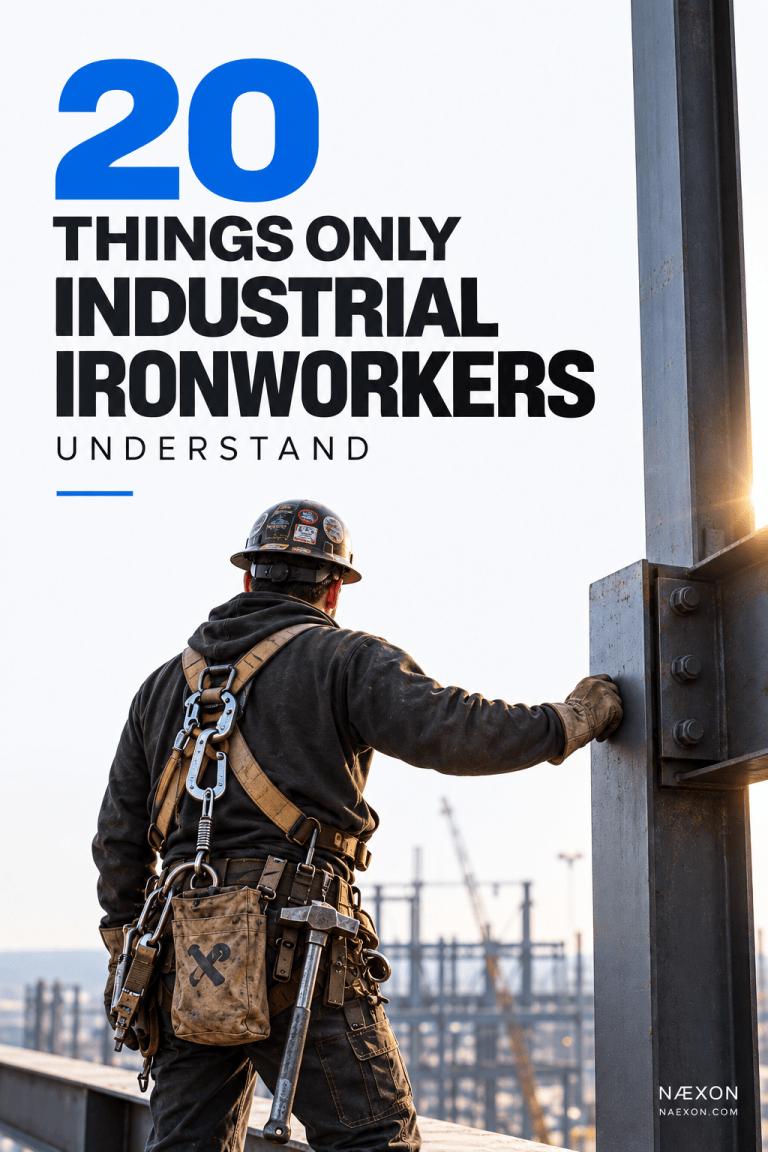
Walk through any refinery turnaround, power plant outage, or industrial construction project and you’ll notice something interesting. The most experienced tradesmen often have tool bags that have been carefully built over many years. Every wrench, level, measuring tape, socket, and specialty tool has a purpose. Nothing is there by accident.
To someone new to the industry, spending hundreds or even thousands of dollars on tools can seem excessive. After all, if a cheaper tool performs the same job, why spend more?
The answer becomes clear after enough hours on the jobsite.
Quality tools don’t just make work easier—they improve productivity, reduce frustration, increase safety, and often save money over the long run. That’s why experienced craftsmen rarely see tools as an expense. They see them as an investment in their career.
Good Tools Save Time Every Day
Time is valuable on every industrial project.
During a refinery turnaround, thousands of workers may be racing against tight deadlines. A delay of only a few minutes on one task can create a chain reaction that affects multiple crews.
Reliable tools eliminate unnecessary interruptions. A quality pipe wrench grips properly the first time. A dependable tape measure retracts smoothly after thousands of uses. A durable torpedo level continues providing accurate readings even after years of hard work.
When your tools perform consistently, you spend less time fighting your equipment and more time completing the job.
Those minutes add up over months and years.
Precision Matters
Industrial work often leaves little room for error.
A measurement that is off by even a fraction of an inch can require expensive rework. A poorly aligned pipe spool can delay an entire installation. Incorrect bolt torque or improper layout can create additional work for multiple trades.
Experienced craftsmen understand that precision begins with dependable tools.
Accurate measuring equipment, properly maintained hand tools, and reliable layout instruments help ensure the job is completed correctly the first time.
Doing quality work builds trust with supervisors and customers alike.
Cheap Tools Can Become Expensive
At first glance, inexpensive tools seem like a bargain.
However, replacing broken ratchets, stripped sockets, cracked handles, or inaccurate measuring devices multiple times often costs more than purchasing quality equipment from the beginning.
There are additional costs that aren’t reflected on a receipt.
Broken tools can delay production.
Failed equipment can create safety hazards.
Poor-quality tools may damage materials or finished work.
The true cost of a cheap tool often extends far beyond its purchase price.
Organization Is Part of Professionalism
Ask a seasoned foreman what they notice about dependable workers, and many will mention organization.
A well-organized toolbox communicates professionalism.
Workers who know exactly where each tool belongs waste less time searching and spend more time producing quality work.
Keeping tools clean, labeled, and protected also extends their lifespan.
Simple habits such as wiping down tools after each shift or replacing worn storage trays can keep equipment functioning for many years.
Specialty Tools Create Opportunities
As careers progress, many tradesmen begin purchasing specialized tools that allow them to perform more advanced work.
Pipefitters may invest in alignment clamps, precision measuring equipment, and specialty layout tools.
Welders often purchase upgraded hoods, grinders, and inspection gauges.
Electricians expand into testing equipment and diagnostic instruments.
These purchases often increase versatility, making workers more valuable to contractors.
The more problems you can solve, the more opportunities become available.
Taking Care of Your Investment
Buying quality tools is only part of the equation.
Proper maintenance is equally important.
Keep cutting edges sharp.
Lubricate moving parts.
Inspect cords and batteries.
Replace worn components before they fail.
Store tools in dry, secure locations.
Routine maintenance not only extends the life of your equipment but also improves safety on the jobsite.
Reliable tools contribute to reliable work.
Your Tools Reflect Your Pride
Most experienced tradesmen develop a personal connection with their tools.
They remember the first pipe wrench they purchased after becoming a journeyman.
They remember the tape measure that traveled across dozens of shutdowns.
They remember the level that helped complete countless installations.
These tools represent years of hard work, learning, and professional growth.
Taking pride in your equipment often translates into taking pride in your craftsmanship.
Tools Are Only Part of the Investment
Veteran craftsmen understand that the best investment isn’t limited to steel and chrome.
They also invest in their knowledge.
Reading blueprints more effectively.
Learning new fabrication techniques.
Improving communication skills.
Understanding evolving safety standards.
Expanding certifications.
The combination of quality tools and continuous learning creates a worker who remains valuable throughout an entire career.
The Long-Term Return
The most successful tradesmen rarely ask, “How much does this tool cost?”
Instead, they ask, “How much value will this tool create over the next ten years?”
That mindset changes everything.
Instead of chasing the lowest price, they focus on durability, performance, reliability, and long-term return.
Whether you’re just beginning your apprenticeship or have decades of experience, investing in dependable equipment sends a message—to yourself and to everyone around you—that you take your profession seriously.
In the skilled trades, your tools are more than equipment. They are an extension of your craftsmanship, your work ethic, and your reputation.
The workers who consistently produce outstanding results understand that success is built on preparation. Quality tools won’t replace experience or skill, but they help experienced craftsmen perform at their best every single day. Over the course of a career, those small advantages become the foundation of lasting success.