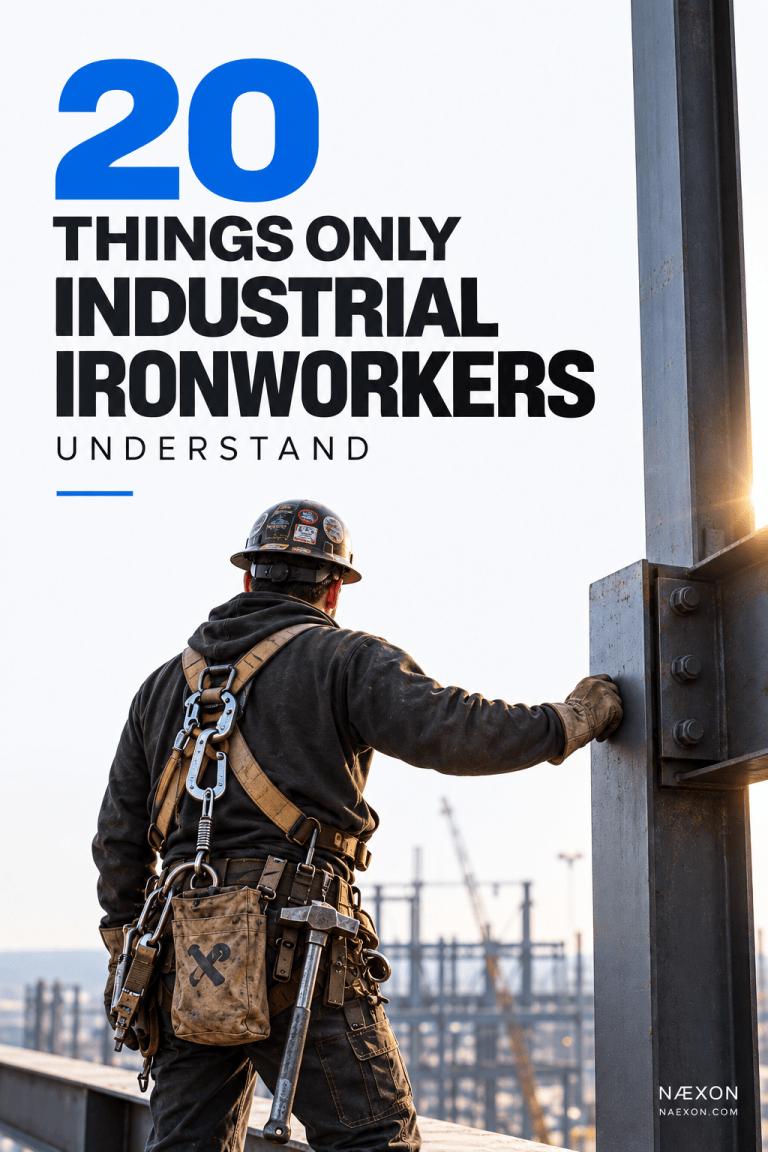
Every day across America, millions of welders, pipefitters, electricians, ironworkers, millwrights, refinery operators, pipeline crews, utility workers, and industrial craftsmen step into environments where a single spark, flash fire, or arc flash can change their lives forever.
In these industries, personal protective equipment isn’t just another item on a checklist—it can mean the difference between walking away from an incident or suffering life-changing injuries.
Fire-resistant (FR) clothing exists for one reason: to provide workers with valuable seconds of protection when the unexpected happens.
Yet despite its importance, many workers still don’t fully understand what FR clothing is, how it works, or what separates premium garments from low-quality alternatives.
This guide explains everything you should know before investing in your next FR shirt, jacket, or workwear system.
What Is Fire-Resistant Clothing?
Fire-resistant clothing—commonly called FR clothing—is specially engineered apparel designed to resist ignition, reduce flame spread, and self-extinguish once the ignition source is removed.
Unlike ordinary cotton or polyester clothing that can continue burning or melt onto the skin, properly designed FR garments help reduce burn injuries during brief exposure to thermal hazards.
It’s important to understand that FR clothing does not make a worker fireproof.
Instead, it provides critical protection by limiting heat transfer and buying precious time for a worker to escape a hazardous environment.
Those extra seconds can dramatically reduce the severity of injuries.
Who Should Wear FR Clothing?
FR clothing is required—or strongly recommended—for many industrial occupations, including:
• Welders
• Pipefitters
• Electricians
• Ironworkers
• Millwrights
• Refinery workers
• Power plant employees
• Pipeline construction crews
• Oil and gas workers
• Utility line workers
• Chemical plant personnel
• Industrial maintenance technicians
• Fabrication shop workers
• Steel mill employees
If your job exposes you to sparks, molten metal, arc flash, flash fire, combustible dust, or hot work, FR clothing should be considered essential equipment.
How Does FR Clothing Work?
Many people assume FR clothing simply “doesn’t burn.”
The reality is far more sophisticated.
Fire-resistant fabrics are engineered to interrupt the combustion process.
When exposed to intense heat, quality FR fabrics may char rather than ignite, helping create an insulating barrier that slows heat transfer to the skin.
Premium FR garments are also designed to:
• Resist ignition
• Limit flame spread
• Self-extinguish after the flame source is removed
• Maintain structural integrity during thermal exposure
This combination significantly reduces the risk of severe burns compared to ordinary work clothing.
Flame Resistant vs. Flame Retardant
These terms are often confused.
Flame Resistant (FR)
Flame-resistant garments are engineered so their protective properties are built into the fabric or permanently treated to maintain protection throughout the garment’s intended service life when properly cared for.
These are the garments typically worn in industrial environments.
Flame Retardant
Flame-retardant refers to materials treated with chemicals that slow ignition but may lose effectiveness over time depending on the treatment and usage.
Understanding the difference helps workers choose clothing intended for occupational hazards rather than consumer applications.
Common Hazards FR Clothing Protects Against
Different industries face different hazards.
Common thermal hazards include:
Flash Fire
A flash fire is a rapidly moving flame front caused by the ignition of combustible gases, vapors, or dust.
These incidents usually last only a few seconds—but temperatures can be extremely high.
Arc Flash
An arc flash occurs when electrical energy suddenly travels through the air between conductors.
Temperatures can exceed those found on the surface of the sun for an instant.
Proper arc-rated FR clothing helps reduce burn injuries during these incidents.
Welding Sparks
Grinding sparks, slag, and molten metal are daily hazards for welders and fabricators.
FR garments help prevent small sparks from igniting clothing.
Hot Surfaces
Industrial maintenance often involves exposure to heated piping, valves, exchangers, and equipment.
FR garments provide another layer of protection in these environments.
Understanding Common FR Standards
One reason workers become confused when buying FR clothing is the number of labels attached to garments.
These standards help verify that clothing has been tested for specific hazards.
Common standards include:
• NFPA 2112
• NFPA 70E
• ASTM F1506
• Arc Rating (ATPV or EBT)
Each serves a different purpose depending on workplace hazards.
Understanding which standard applies to your work environment is just as important as selecting the right size or color.
What Makes High-Quality FR Clothing?
Not all FR clothing is created equal.
Premium garments often distinguish themselves through thoughtful engineering and durable construction.
Features worth looking for include:
• Reinforced stitching in high-stress areas
• Durable pearl snaps or industrial-grade closures
• Comfortable fabric suitable for long shifts
• Freedom of movement without excess bulk
• Shrink resistance
• Color retention
• Strong seams that withstand repeated washing
• Functional chest pockets and utility features
• Consistent sizing
Workers quickly discover that comfort matters.
A shirt that restricts movement or traps excessive heat often ends up hanging in the locker instead of being worn on the job.
Why Fit Matters
Oversized clothing can snag on equipment.
Clothing that’s too tight restricts movement and reduces comfort during long shifts.
The best FR clothing balances mobility, durability, and protection.
A properly fitting garment encourages consistent use—which ultimately improves workplace safety.
Taking Care of Your FR Clothing
Proper maintenance helps preserve the performance and lifespan of FR garments.
Good habits include:
• Wash according to the manufacturer’s instructions.
• Avoid chlorine bleach unless specifically approved.
• Do not use fabric softeners if prohibited by the garment manufacturer.
• Inspect garments regularly for excessive wear, holes, or damaged seams.
• Replace garments that are no longer serviceable.
Proper care helps maximize the value of your investment.
Why Buying the Cheapest FR Shirt Can Cost More
Many workers focus only on the purchase price.
However, the least expensive shirt often becomes the most expensive over time.
Poor-quality garments may:
• Wear out sooner
• Fade quickly
• Shrink excessively
• Lose comfort after repeated washing
• Require more frequent replacement
Premium workwear often provides better long-term value through durability, comfort, and consistent performance.
Choosing the Right FR Clothing for Your Trade
Different trades have different priorities.
A welder may need additional protection from sparks and molten metal.
An electrician may prioritize arc-rated garments.
A pipefitter may value mobility for climbing, fitting, and working in confined spaces.
Selecting clothing designed around your daily work improves both comfort and productivity.
The Future of FR Workwear
Modern FR clothing has evolved dramatically.
Today’s workers expect protection without sacrificing comfort.
Manufacturers continue developing lighter fabrics, improved breathability, stronger construction, and better athletic movement while maintaining protective performance.
The future of industrial workwear isn’t simply about surviving harsh environments—it’s about helping skilled tradespeople perform at their highest level every day.
Final Thoughts
Fire-resistant clothing isn’t just another uniform.
It’s one of the most important investments an industrial worker can make.
Understanding how FR clothing works, knowing which standards apply to your job, and choosing well-built garments can improve comfort, extend the life of your gear, and most importantly, provide valuable protection when seconds matter.
At Næxon, we believe the men and women who build America deserve workwear engineered for the environments they face every day. Every stitch, every snap, and every design decision should serve a purpose—because when your job demands excellence, your gear should demand nothing less.
Næxon — Built for the Hardest Workers on Earth.