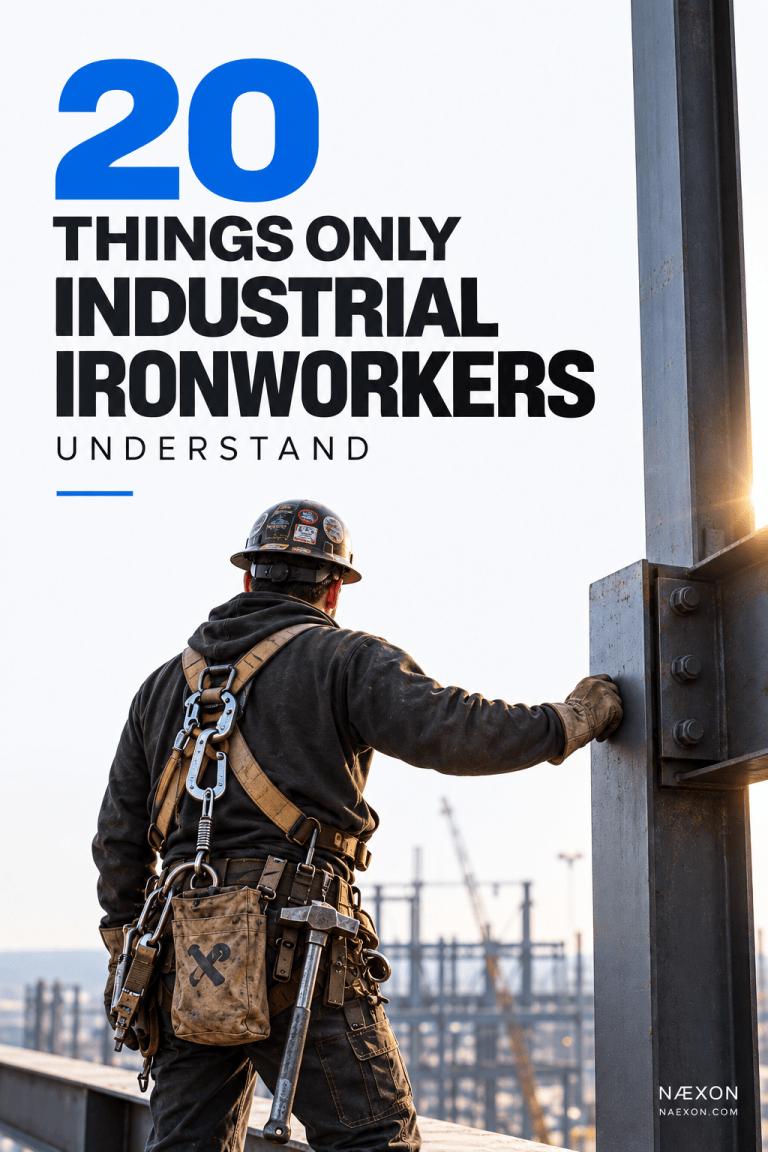
At first glance, fabrication shop workers and field construction crews appear to do the same job. Both cut steel, fit pipe, weld, fabricate, and build industrial systems.
But ask someone who’s spent time in both environments, and they’ll tell you they’re two completely different careers.
One is built around precision, planning, and controlled conditions.
The other is built around adaptability, problem-solving, and working where the project actually comes to life.
If you’re considering a career in industrial construction—or simply wondering why some craftsmen prefer the shop while others live for the field—here’s what separates these two worlds.
What Is a Fabrication Shop?
A fabrication shop is where industrial components are built before they’re shipped to the jobsite.
Workers fabricate:
- Pipe spools
- Structural steel
- Equipment skids
- Pipe supports
- Pressure vessels
- Modules
- Custom assemblies
Everything is built according to drawings before installation begins.
Think of it as building the puzzle pieces before they’re assembled.
What Is Field Construction?
Field construction is where those puzzle pieces are installed.
Instead of building components inside a controlled shop, field crews assemble them inside:
- Refineries
- Chemical plants
- Power plants
- LNG facilities
- Pipelines
- Paper mills
- Steel mills
Every day brings new obstacles, changing conditions, and real-world challenges that drawings can’t always predict.
Controlled Environment vs. Real World
Fabrication Shop
Everything is designed for efficiency.
Workers usually enjoy:
- Flat concrete floors
- Overhead cranes
- Organized tools
- Better lighting
- Weather protection
- Stable workstations
The environment rarely changes.
Field Construction
The field changes every hour.
Workers deal with:
- Rain
- Snow
- Mud
- Heat
- Wind
- Elevation
- Tight spaces
- Existing equipment
- Constant movement
No two days are exactly alike.
The Difference in Measuring
Fabrication shops build exactly what the drawings call for.
Field crews often discover that reality doesn’t perfectly match those drawings.
Pipefitters in the field constantly adjust for:
- Existing piping
- Equipment movement
- Steel that’s slightly out of alignment
- Unexpected interferences
- Previous modifications
That’s why experienced field craftsmen become excellent problem-solvers.
Welding Differences
Shop welders often work in ideal conditions.
They may have:
- Rotators
- Positioners
- Excellent lighting
- Controlled temperatures
- Easy access to every weld
Field welders rarely have those luxuries.
They may weld:
- Overhead
- Inside vessels
- On scaffolding
- During cold weather
- In confined spaces
- Around operating equipment
The weld still has to meet the same quality standards.
Pipefitting Differences
Shop pipefitters fabricate.
Field pipefitters install.
Shop work focuses on producing accurate pipe spools.
Field work focuses on making those spools fit perfectly inside a real industrial facility.
Sometimes the drawing is perfect.
Sometimes reality has other plans.
Travel
This is one of the biggest differences.
Fabrication Shop
Most workers:
- Go home every night
- Work close to home
- Have predictable schedules
Field Construction
Many workers:
- Travel state to state
- Stay in hotels
- Work shutdowns
- Follow major projects
- Earn per diem on qualifying jobs
Some love the road.
Others prefer sleeping in their own bed.
Overtime
Fabrication shops generally offer:
- Stable hours
- Consistent employment
- Less extreme overtime
Field construction often includes:
- 10-hour shifts
- 12-hour shifts
- Seven-day workweeks
- Shutdown schedules
- Emergency outages
The hours can be demanding—but so can the pay.
Which Builds Better Skills?
Both.
Fabrication Shop teaches:
- Precision
- Blueprint reading
- Welding consistency
- Production efficiency
- Quality control
Field Construction teaches:
- Problem-solving
- Layout
- Installation
- Communication
- Adaptability
- Leadership
The most respected craftsmen usually have experience in both.
Which One Pays Better?
There’s no universal answer.
Fabrication shops often provide:
- More consistent year-round employment
- Better work-life balance
- Less travel
Field construction often offers:
- Higher overtime
- Per diem
- Shutdown bonuses
- Greater earning potential during peak projects
Your annual income depends on your trade, certifications, employer, overtime, and willingness to travel.
Which Career Is Right for You?
Choose a fabrication shop if you enjoy:
- Routine
- Precision
- Predictable schedules
- Indoor work
- Going home every night
Choose field construction if you enjoy:
- Variety
- Travel
- Large industrial projects
- Solving unexpected problems
- Overtime opportunities
- Working where everything comes together
Final Thoughts
Fabrication shops and field construction depend on each other.
Without skilled shop craftsmen, there would be no quality components to install.
Without skilled field crews, those components would never become operating refineries, pipelines, LNG facilities, or power plants.
The best industrial craftsmen understand both worlds. They know how to build it in the shop and how to make it work in the field.
Whether your boots are on a clean concrete shop floor or climbing steel in a refinery at sunrise, the goal is the same:
Build it right. Build it safely. Build something that lasts.