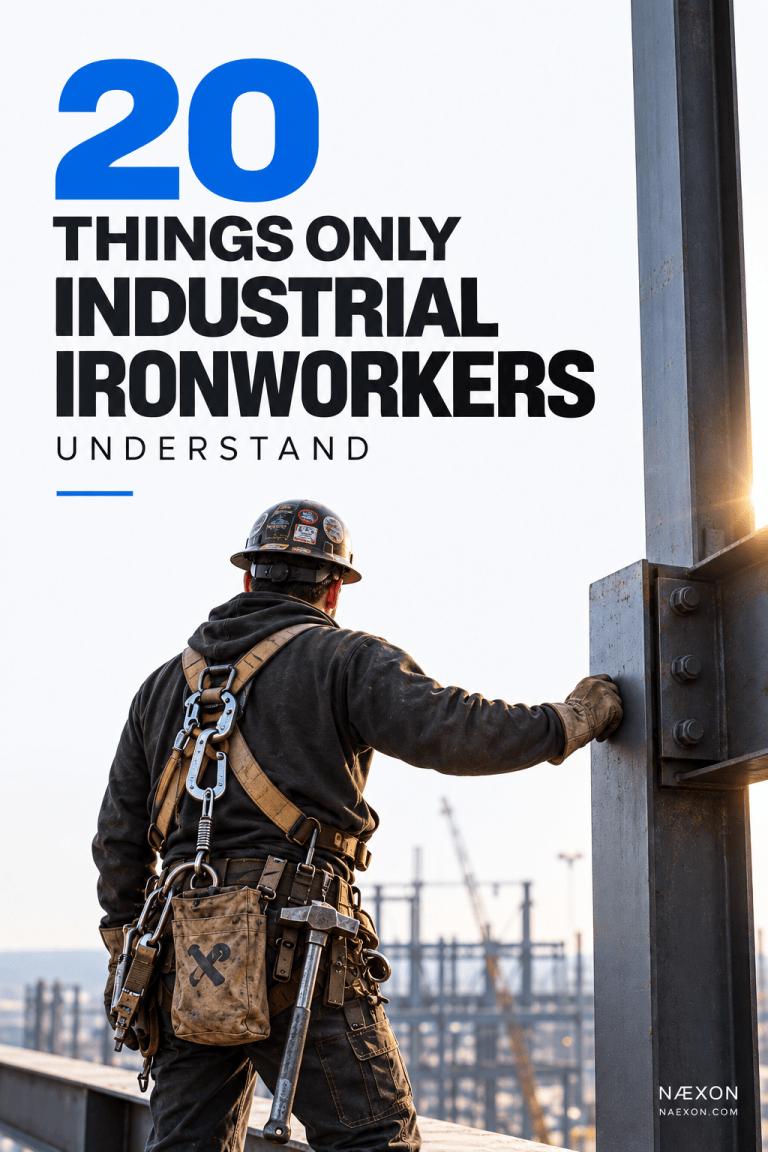
Pull into almost any pipeline spread, refinery expansion, power plant project, fabrication yard, or heavy industrial jobsite and there is one piece of equipment that immediately tells you a welder has arrived.
The rig truck.
To somebody outside the trades, it might look like a pickup loaded with toolboxes, bottles, leads, and a welding machine. To the person who owns it, that truck is something completely different.
It is a shop.
A tool room.
A power source.
A parts cabinet.
An office.
And after enough twelve-hour shifts and hundreds of miles chasing work, it practically becomes a second home.
The welding rig is one of the most recognizable pieces of equipment in blue-collar America, and every truck has a story.
A Welding Shop on Four Wheels
The entire idea behind a welding rig is mobility.
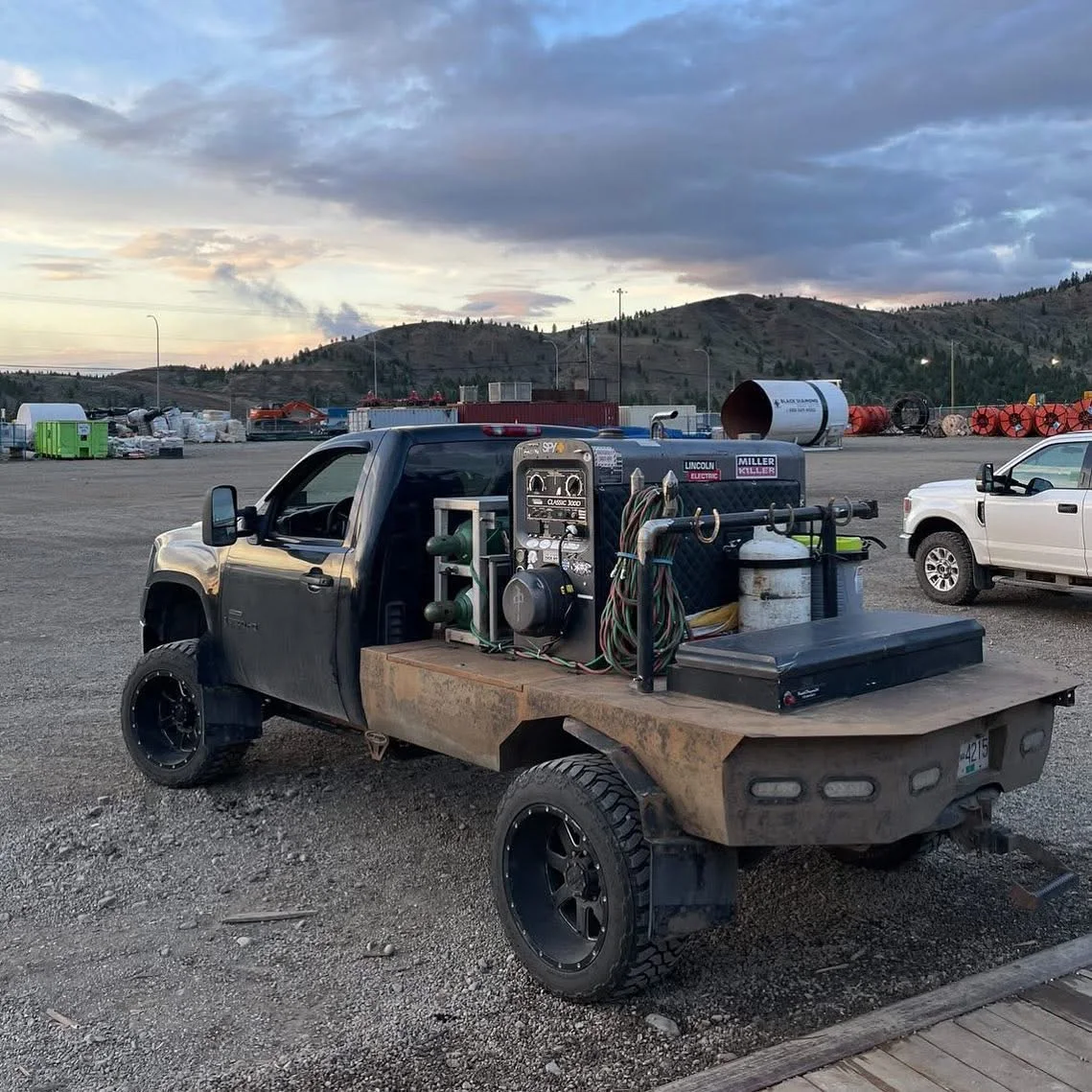
Instead of bringing pipe, structural steel, equipment, or repairs into a fabrication shop, the welder brings the fabrication shop to the work.
A properly equipped rig can arrive miles from the nearest shop and give an experienced welder many of the tools needed to start working.
The centerpiece is usually an engine-driven welding machine mounted directly to the truck. Around it, the rest of the rig is built according to the work the owner performs.
Typical equipment might include:
- Welding leads
- Oxygen and fuel-gas bottles
- Torches
- Grinders
- Extension cords
- Welding consumables
- Hand tools
- Levels and layout equipment
- Clamps
- Rigging equipment
- Spare parts
- Fire extinguishers
- PPE
- Toolboxes packed with years of accumulated equipment
The same philosophy applies to the equipment a welder wears. Welding environments can expose workers to sparks, slag, molten metal and radiant heat, which is why understanding what welders should know about flame-resistant apparel is just as important as choosing the tools carried on the truck.
But no two welding rigs are exactly alike.
That is part of what makes them interesting.
Every Rig Tells You Something About Its Owner
Spend enough time around rig welders and you start noticing something.
Their trucks have personalities.
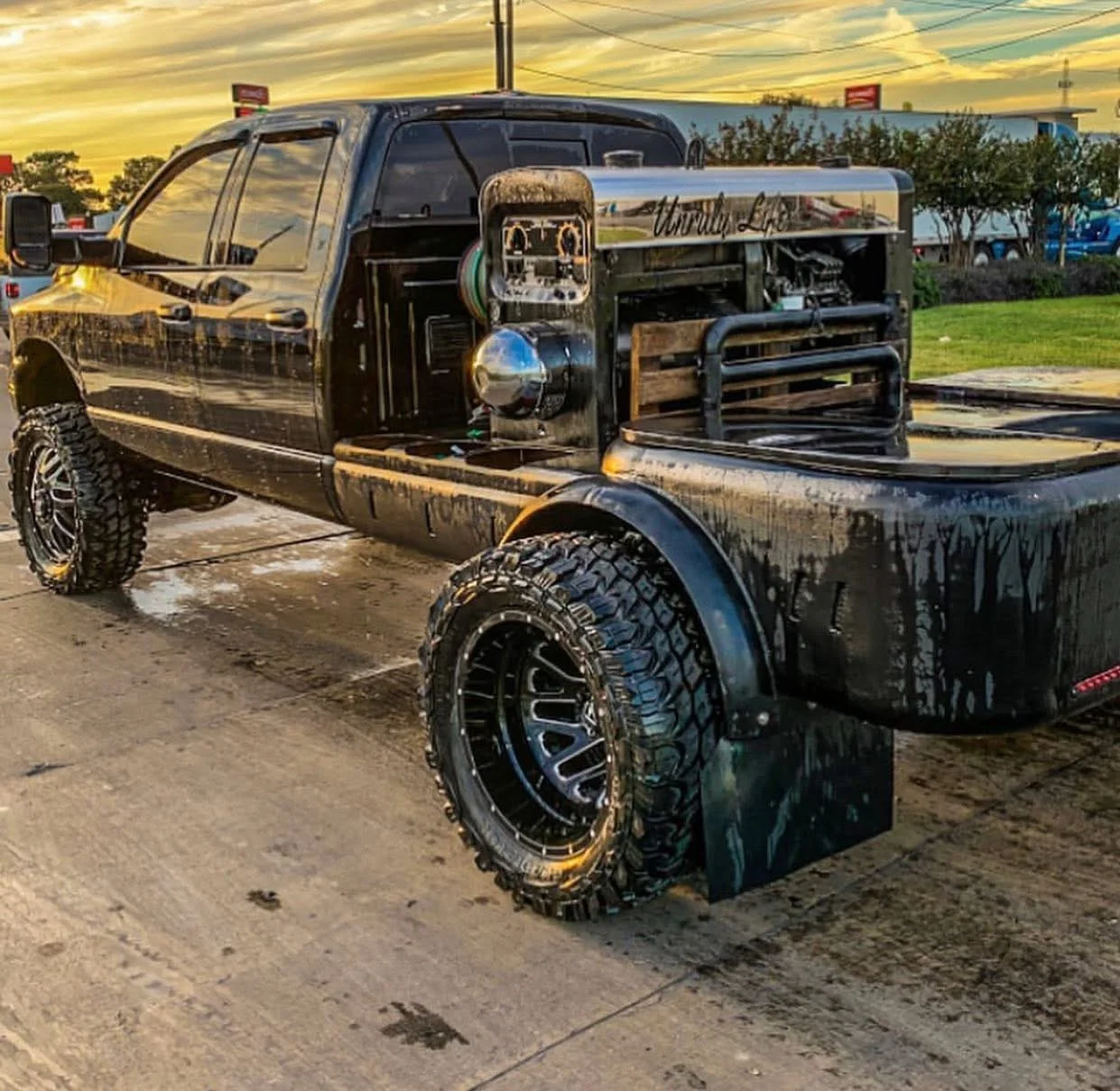
One welder might have everything polished, organized, labeled and positioned perfectly. Every lead has its place. Every grinder has its compartment. Nothing moves unless it needs to.
The next truck might look like it survived three pipeline spreads, two refinery turnarounds and ten years of chasing shutdowns.
And somehow the owner can still reach into one particular toolbox and immediately find exactly what he needs.
Both rigs can make money.
That is what matters.
A welding rig isn’t necessarily about having the prettiest truck in the parking lot. It is about building a system that allows the person behind the hood to work efficiently.
That same mentality runs throughout industrial work. Tools, clothing and equipment aren’t there simply to look good—they have to perform. Our Ultimate Guide to Industrial Workwear looks deeper into that same relationship between durability, mobility and everyday jobsite performance.
Why Welders Build Their Own Rigs
There is no universal blueprint for the perfect welding truck because the work itself varies enormously.
A pipeline welder may build a completely different truck than someone primarily doing structural welding.
A mobile repair welder working on agricultural equipment has different needs again.
Someone traveling between industrial shutdowns may prioritize storage and highway reliability. A welder working around large pipe may want extremely fast access to leads, grinders, torches and consumables.
That is why experienced welders usually modify their rigs over time.
A bracket gets added here.
A bottle rack gets moved there.
Another toolbox appears.
Lead reels get relocated.
Something that seemed like a great idea during the original build turns out to be annoying after using it thirty times every day.
The truck evolves with the welder.
The Machine Is the Heart of the Rig
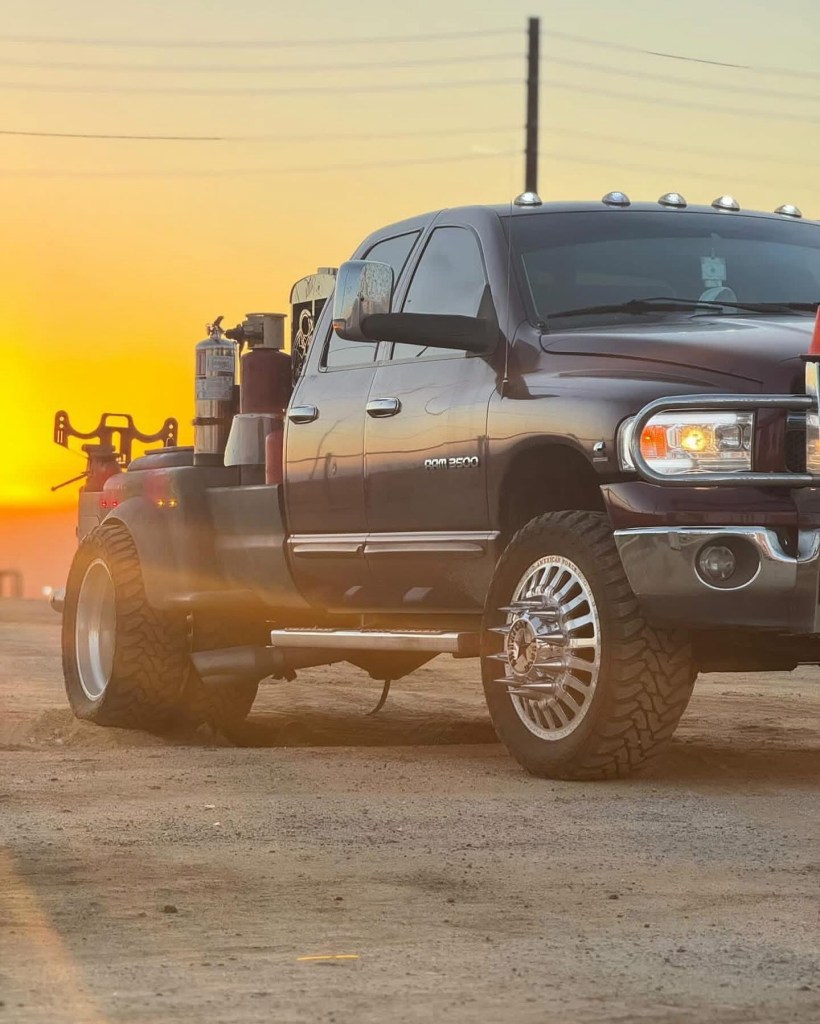
Look at almost any serious welding rig and your eyes eventually land on the machine.
Engine-driven welders allow operators to generate welding power without depending entirely on jobsite electrical infrastructure. Depending on the machine and configuration, auxiliary power may also support grinders, lights and other equipment.
For remote work, that independence is enormously valuable.
The truck can travel to the work instead of waiting for the work to come to a shop.
That capability helped make welding rigs especially recognizable throughout pipeline construction, oil and gas work, industrial maintenance, agricultural repair, heavy-equipment repair and field fabrication.
The machine may be the heart of the rig, but the organization around it determines how efficiently the entire setup works.
Bottle Racks, Beds and Toolboxes
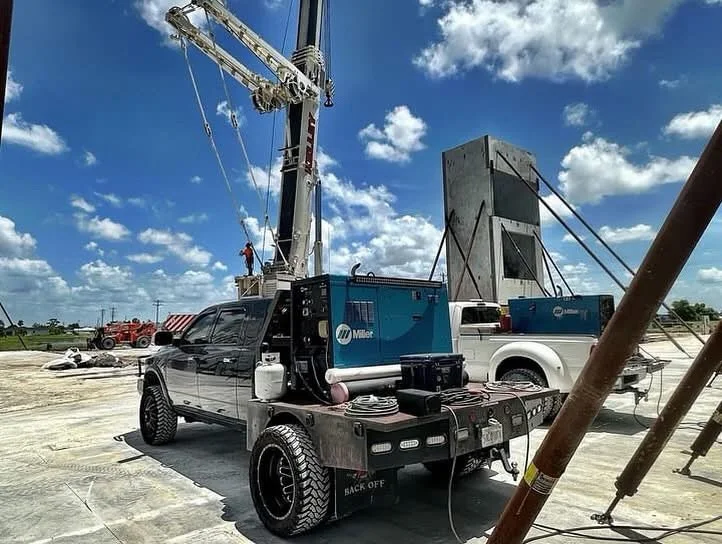
Some of the most interesting parts of a welding truck are fabricated by welders themselves.
Bottle racks are a perfect example.
Rather than buying an off-the-shelf solution, many rig owners fabricate racks specifically around their truck, machine, bottles and preferred working arrangement.
The same thing happens with lead storage, grinder racks, torch holders, vise mounts, work tables, pipe storage, tool trays and custom beds.
That is where welding rigs become more than trucks carrying welding equipment.
They become purpose-built machines.
A good setup reduces unnecessary movement. Frequently used equipment stays accessible. Heavy equipment is properly supported and secured. Storage is arranged around how the owner actually works.
Those little improvements can matter enormously when the same motions are repeated hundreds of times during a project.
The Custom Welding Bed
For some rig welders, eventually the factory pickup bed isn’t enough.
That’s when things get serious.
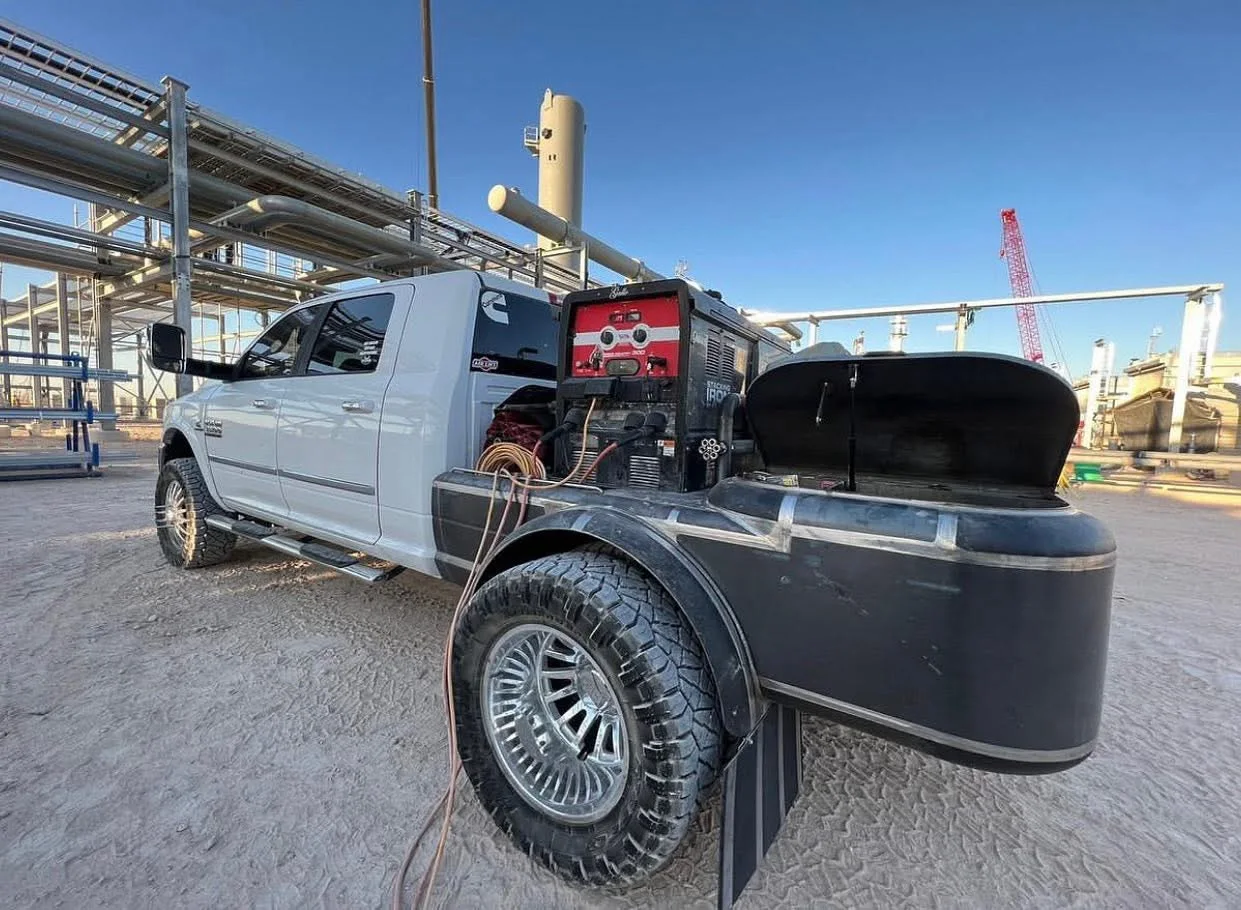
Custom welding beds can transform the back half of a pickup into a dedicated industrial workspace. Compartments can be designed specifically for tools and consumables while the welding machine, bottles, leads and accessories each receive dedicated locations.
Some builds are beautifully finished.
Others are pure function.
Both can be impressive.
A scratched, burned and dusty welding bed that has spent years making money has a different kind of appeal than a freshly fabricated show-quality rig.
Those scars tell stories.
A Rig Doesn’t Have to Be Pretty
Social media has created an entire world of beautiful welding rigs.
Perfect paint.
Polished aluminum.
Custom beds.
Expensive wheels.
Immaculate machines.
Everything photographed immediately after being washed.
There is nothing wrong with that. Craftsmanship deserves to be shown off.
But some of the most impressive welding trucks aren’t pretty at all.
They’re working.
The paint is scratched.
The bed has burns.
The leads aren’t spotless.
The machine has thousands of hours on it.
The toolbox has been opened so many times the finish around the handle is worn away.
Those trucks represent what welding rigs were built to do.
Make welds.
Make repairs.
Keep projects moving.
And make their owners money.
The Truck Is an Investment
Building a serious rig isn’t cheap.
Start with the truck itself.
Then add an engine-driven welder, welding leads, bottles, regulators, torches, grinders, toolboxes, hand tools, consumables, PPE, fabricated racks, storage systems and possibly a custom welding bed.
The investment can become substantial very quickly.
But for someone making a living as an independent rig welder, the truck isn’t simply transportation.
It is business equipment.
Every improvement has the potential to make the operation safer, faster, more organized or more capable.
An extra thirty seconds doesn’t sound important until you repeat the same task fifty times a day.
The same principle applies to what a welder wears during those long shifts. Properly fitting workwear can affect mobility and comfort, especially when climbing, kneeling, reaching and welding in difficult positions. We cover that in more detail in The Importance of Proper Fit in Workwear.
Built Around the Work
One of the best things about looking through photos of welding rigs is noticing how differently people solve the same problems.
Where do you put the bottles?
Where should the machine sit?
How much lead should you carry?
Where should grinders go?
How do you keep consumables protected?
Where can you mount a vise without constantly walking around the truck?
How do you keep the weight distributed appropriately?
How do you secure everything for highway travel?
Every owner arrives at slightly different answers.
That is why welding rigs are almost never truly finished.
There is always another bracket to fabricate.
Another compartment that could work better.
Another tool that needs a permanent home.
Another idea picked up from the rig parked three trucks down.
Built for Shutdowns and Turnarounds
Welding rigs are especially at home wherever industrial work moves quickly.
During outages and turnarounds, crews may be working long shifts while equipment is being opened, repaired, replaced and returned to service on extremely tight schedules.
Welders may find themselves moving between fabrication areas and field locations while supporting pipefitters, boilermakers, millwrights, ironworkers and other crafts.
For workers heading into this environment, Næxon’s guide to what to wear during refinery turnarounds and maintenance outages covers the workwear and PPE considerations that come with these demanding projects.
And if you’re new to shutdown work, the Næxon Refinery Turnaround Dictionary covers 100 common terms you’re likely to hear once you get through the gate.
The Rig-Truck Tradition
There is something distinctly blue-collar about the welding rig.
Long before social media turned customized welding trucks into content, tradespeople were modifying work trucks because they needed equipment capable of surviving real field conditions.
The tradition grew around practicality.
Build what you need.
Repair what breaks.
Improve what doesn’t work.
And keep going.
That mentality is still visible in modern rigs.
It is the same mentality behind countless homemade pipefitting tools, welding fixtures, modified clamps, custom jack stands and field-fabricated equipment found throughout heavy industry.
It’s also part of the culture that develops when generations of craftspeople work alongside each other. The slang, jokes and expressions that come out of those jobsites have become their own language, something we’ve collected in The Language of the Blue Collar: 250 Funny Words, Phrases & Jobsite Lingo.
The people doing the work often understand better than anyone what their equipment needs to do.
So they build it themselves.
More Than Transportation
At the end of a long shift, the welding machine shuts down.
The leads get rolled up.
The grinders go back into their compartments.
The bottles are secured.
The toolbox closes.
Then the same truck that spent all day functioning as a mobile fabrication shop gets back on the highway.
Tomorrow it might be parked beside another section of pipeline.
Next month it could be hundreds of miles away on another project.
Years later, the truck may be gone while pieces of steel it helped put together are still standing.
That is what makes welding rigs different from ordinary work trucks.
They don’t simply carry the people who build America.
They carry the shop that helps them build it.
Explore more stories, technical knowledge, industrial culture and workwear information in the Næxon Resources library.
Næxon — Built for the people who build America.