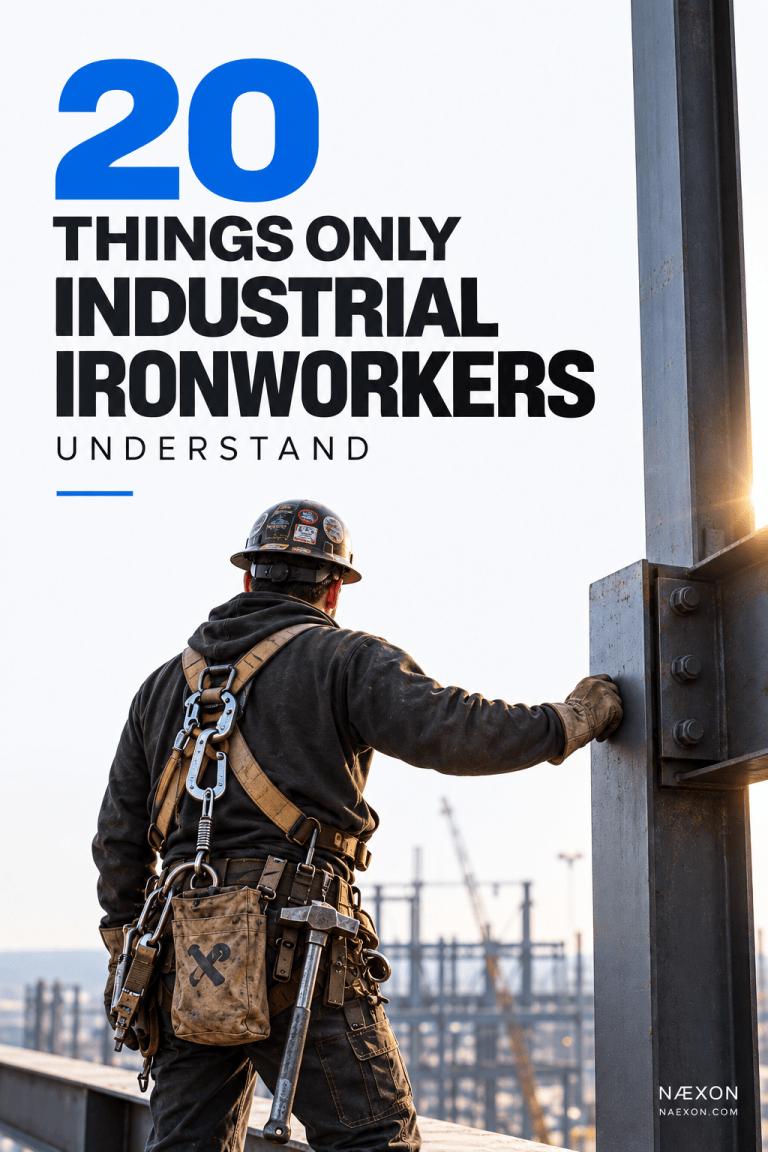
Industrial workwear has never been just about appearance. Every shirt, pair of pants, jacket, glove, and boot serves a purpose beyond looking professional. The right workwear helps workers stay comfortable during long shifts, move freely while performing physically demanding tasks, and meet the requirements of industrial jobsites where reliability matters every single day.
Whether you’re working in a refinery, power plant, pipeline, fabrication shop, chemical plant, manufacturing facility, or heavy construction project, your clothing becomes another piece of equipment you depend on from the moment your shift begins until it’s over.
Choosing the right workwear isn’t about buying the most expensive clothing available. It’s about selecting gear that’s appropriate for your job, your environment, and the hazards you may encounter every day.
Start With Your Work Environment
Before purchasing any workwear, think about where you’ll actually be working.
Someone maintaining high-pressure piping inside a refinery faces different conditions than an ironworker erecting structural steel, a millwright rebuilding turbines, or a mechanic working inside a manufacturing plant.
Some environments involve high temperatures. Others require long periods outdoors in rain, snow, or direct sunlight. Certain facilities require flame-resistant clothing, while others may prioritize high-visibility garments or specialized protective equipment.
The best workwear is always matched to the environment in which it will be used.
Understand Your Employer’s Requirements
Many industrial employers have established dress codes and PPE requirements before workers ever arrive on site.
Maintenance contractors, turnaround crews, and outage workers are often required to wear specific types of clothing that meet company policies or project requirements. These requirements may include flame-resistant garments, hard hats, safety glasses, steel-toe boots, gloves, hearing protection, or high-visibility apparel.
Understanding these expectations before your first day helps avoid unnecessary delays and demonstrates professionalism from the beginning.
Comfort Should Never Be Overlooked
Industrial workers spend long hours wearing their work clothing.
A typical outage or shutdown may involve twelve-hour shifts for several weeks. During that time, clothing that traps heat, restricts movement, or fits poorly becomes more than an inconvenience—it becomes a distraction.
Quality workwear should move naturally with your body. It should allow you to climb ladders, kneel, reach overhead, carry tools, and perform physically demanding tasks without constantly adjusting sleeves, waistbands, or collars.
Comfort contributes directly to productivity because workers can focus on the job instead of their clothing.
Durability Pays for Itself
Industrial jobs are hard on clothing.
Daily contact with structural steel, piping systems, ladders, concrete, tools, equipment, and abrasive surfaces gradually wears down even well-made garments.
Many experienced tradesmen have learned that inexpensive workwear often costs more over time because it needs to be replaced more frequently.
Higher-quality garments typically maintain their appearance longer, resist tearing, hold their shape after repeated washing, and continue performing throughout demanding projects.
When viewed over several years instead of a single purchase, durable workwear often provides greater overall value.
Choose the Right Fabric
Fabric selection plays an important role in overall performance.
Workers performing physically demanding tasks often appreciate lightweight materials that improve airflow while remaining durable enough for industrial environments. Others may need heavier fabrics that withstand abrasive conditions or provide additional protection.
In facilities where flame-resistant clothing is required, workers should wear garments designed for those environments rather than relying on ordinary cotton shirts or casual work clothing.
Choosing the correct fabric for your job helps improve comfort while supporting workplace safety requirements.
Fit Matters More Than Most People Think
A well-fitting work shirt doesn’t simply look better—it performs better.
Clothing that’s too loose may snag on equipment or interfere with movement. Clothing that’s too tight can limit flexibility, especially when climbing, lifting, or working overhead.
Modern industrial workwear is increasingly designed to provide a balance between comfort and mobility without appearing oversized or restrictive.
Trying on different styles before committing to a brand often helps workers find the best fit for their body type and daily responsibilities.
Pay Attention to Construction Quality
Not all workwear is built the same.
Small details often separate premium garments from lower-quality alternatives.
Look for features such as:
- Reinforced stitching at stress points
- Durable seams
- Strong cuffs and collars
- Secure pocket construction
- High-quality closures
- Fabrics designed for repeated industrial laundering
These details may seem minor at first, but they often determine how well a garment performs after months of demanding use.
Think Beyond the Shirt
Workwear is a complete system rather than a single garment.
Dependable boots support your feet through thousands of steps every shift. Gloves improve grip and protect your hands during countless maintenance tasks. Safety glasses, hearing protection, and hard hats all contribute to creating a safer work environment.
Selecting quality clothing while overlooking the rest of your equipment creates unnecessary weak points.
Experienced workers understand that every piece of gear should work together.
Take Care of Your Equipment
Even premium workwear has limits.
Inspect garments regularly for worn seams, damaged fabric, missing buttons or snaps, excessive fading, or other signs of wear.
Following proper washing and care instructions helps preserve comfort, appearance, and durability over the life of the garment.
Replacing worn clothing before it fails completely is often less expensive than waiting until it becomes unusable in the middle of an important project.
Invest in Gear That Works as Hard as You Do
Industrial work demands professionalism, consistency, and attention to detail.
The clothing you wear should reflect those same qualities.
Reliable workwear isn’t about fashion or trends. It’s about having dependable equipment that allows you to perform your job comfortably and confidently every day.
Workers who choose quality garments often discover they spend less time replacing clothing and more time focusing on the work that matters.
Final Thoughts
Choosing the right industrial workwear begins with understanding your trade, your work environment, and the demands of your job. Comfortable, durable, and well-designed clothing helps workers remain productive throughout long shifts while standing up to the challenges of industrial maintenance, construction, fabrication, and manufacturing.
At Næxon, we believe workwear should be built with the same pride and craftsmanship as the people who wear it. Every stitch, every seam, and every design decision should support the hardworking professionals who build, maintain, and power America every day.
Related Articles
- The Ultimate Guide to Industrial Workwear
- The Ultimate Guide to Flame-Resistant (FR) Clothing
- The Complete Guide to FR Shirts
- The Complete Guide to Refinery Workwear
- The Complete Guide to Pipeline Workwear & PPE
- The Complete Guide to Power Plant Workwear
NÆXON — BUILT FOR THE HARDEST WORKERS ON EARTH.