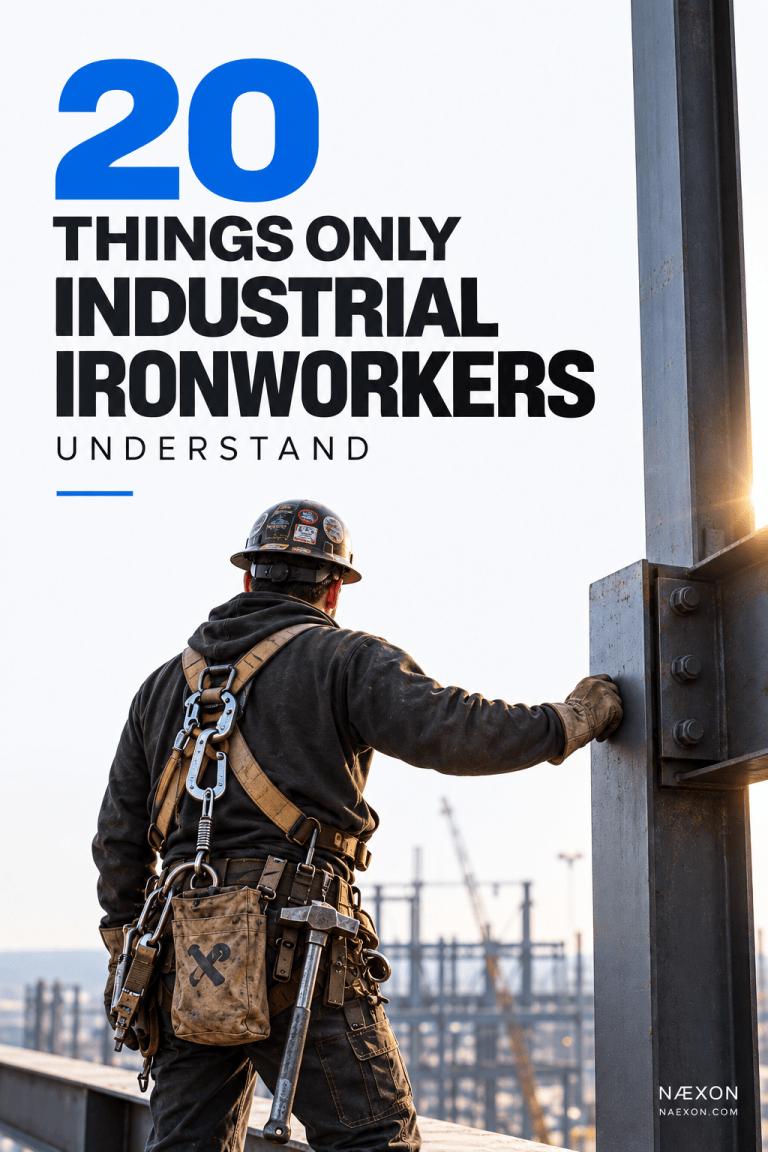
Walk through a power plant today and you’ll see workers wearing lightweight flame-resistant shirts, durable work pants, modern hard hats, advanced eye protection, and boots engineered for long hours on industrial jobsites.
Go back several decades, however, and the picture looked very different.
Power plant employees once relied on heavy cotton uniforms, thick denim, canvas jackets, leather boots with little cushioning, and equipment that often prioritized durability over comfort. The clothing reflected the technology available at the time, but it also reflected an era when many industrial jobs demanded workers adapt to their equipment rather than equipment adapting to workers.
Today’s workwear tells a different story. Advances in fabric technology, ergonomics, and industrial safety have transformed the way power plant professionals dress, allowing them to work more comfortably while meeting the demanding expectations of modern power generation.
The Early Years of Power Generation
In the early decades of commercial power generation, clothing choices were relatively simple.
Workers typically wore sturdy cotton shirts, denim trousers, coveralls, leather boots, and caps designed to withstand dirt, grease, and long hours around machinery. Heavy natural fibers were preferred because synthetic materials were either unavailable or not yet suitable for industrial environments.
Most garments were built to last rather than to provide flexibility or moisture management. Workers often accepted discomfort as simply part of the job.
Despite these limitations, those early craftsmen built and maintained the electrical infrastructure that powered America’s rapid industrial growth.
Durability Was the Primary Goal
Older workwear emphasized toughness above everything else.
Double-stitched seams, heavyweight fabrics, brass buttons, and thick leather were common because clothing had to survive repeated exposure to abrasive surfaces, grease, oil, and physically demanding labor.
The downside was obvious.
Heavy garments absorbed sweat, became uncomfortable during long shifts, dried slowly after washing, and often restricted movement during climbing, kneeling, or overhead work.
Many veteran workers remember finishing a shift with clothing that felt twice as heavy as when the day began.
The Rise of Industrial Safety Standards
As industrial safety programs evolved, so did expectations for workplace clothing.
Power companies invested heavily in hazard identification, worker training, equipment improvements, and comprehensive safety procedures. At the same time, manufacturers began developing specialized workwear designed specifically for industrial environments instead of adapting ordinary clothing for demanding jobs.
Flame-resistant garments became increasingly common in facilities where thermal hazards were present, while improvements in construction techniques produced clothing that better balanced protection, comfort, and durability.
The goal was no longer simply making clothing that lasted.
It was creating clothing that helped workers perform their jobs more effectively.
Fabric Technology Changed Everything
One of the biggest changes came through advances in textile engineering.
Modern industrial fabrics are designed to improve breathability, reduce excess weight, manage moisture more effectively, and withstand repeated industrial laundering without sacrificing performance.
Compared to earlier generations, today’s work shirts allow greater freedom of movement while remaining durable enough for demanding maintenance work.
Workers who have spent decades in the industry often notice just how dramatically comfort has improved over the years.
Better Design for Better Mobility
Power plant maintenance requires constant movement.
Workers climb ladders, navigate scaffolding, reach overhead, crawl beneath equipment, carry tools, and move through confined mechanical spaces throughout the day.
Modern workwear reflects those realities.
Improved garment construction, better pattern design, and stronger yet lighter materials allow clothing to move naturally with the worker rather than creating unnecessary resistance.
This increased mobility reduces fatigue over long shifts and helps workers remain productive throughout extended outage schedules.
Comfort Is No Longer Considered a Luxury
For many years, industrial workers accepted discomfort as part of the profession.
Today, employers and manufacturers recognize that comfortable workers often remain more focused, productive, and consistent throughout physically demanding jobs.
Long maintenance outages frequently require twelve-hour shifts for several consecutive weeks. Clothing that fits properly, breathes well, and allows unrestricted movement helps reduce distractions and lets workers focus on the quality of their work.
Comfort has become another important tool—not an afterthought.
Modern PPE Works Together
Today’s workwear is designed to integrate with the rest of a worker’s personal protective equipment.
Flame-resistant shirts work alongside hard hats, safety glasses, hearing protection, gloves, high-visibility garments, and fall protection systems without limiting movement or interfering with daily tasks.
Instead of viewing PPE as separate pieces of equipment, modern safety programs recognize that every component should function together as part of a complete system.
That philosophy has significantly influenced the design of industrial workwear.
The Future of Power Plant Workwear
Innovation continues to reshape industrial clothing.
Manufacturers are developing lighter fabrics, stronger fibers, improved moisture management, enhanced stretch materials, and construction methods that extend garment life while improving comfort.
Future workwear will likely continue focusing on durability, mobility, and performance while adapting to the changing needs of modern power generation facilities.
Although technology will continue to evolve, one thing will remain constant.
The skilled men and women who keep America’s power plants operating deserve clothing engineered specifically for the work they perform.
Final Thoughts
Power plant workwear has come a long way from the heavy cotton uniforms worn by earlier generations of craftsmen. Advances in industrial safety, textile engineering, and garment design have created clothing that is lighter, stronger, more comfortable, and better suited to the demands of today’s maintenance professionals.
Modern flame-resistant workwear is more than a uniform. It’s an important part of helping workers stay comfortable, productive, and prepared throughout long shifts in one of the world’s most demanding industrial environments.
At Næxon, we’re proud to continue that tradition by building premium workwear for the skilled professionals who keep America’s power plants running. Every shirt we design is built with the same principles that have guided generations of craftsmen—quality, durability, reliability, and pride in doing the job right.
Related Articles
- The Complete Guide to Power Plant Workwear
- What to Wear During Power Plant Maintenance Outages
- Essential PPE Every Power Plant Worker Should Carry
- Why Flame-Resistant Clothing Is Essential in Power Plants
- Common Hazards Inside a Power Plant and the PPE That Helps Protect You
- Steam, Heat, and High Pressure: Why Power Plant Workwear Must Be Built Differently
NÆXON — BUILT FOR THE HARDEST WORKERS ON EARTH.